
Get trending papers in your email inbox once a day!
Get trending papers in your email inbox!
Subscribe
Sparsity-Aware Distributed Learning for Gaussian Processes with Linear Multiple Kernel
Gaussian processes (GPs) stand as crucial tools in machine learning and signal processing, with their effectiveness hinging on kernel design and hyper-parameter optimization. This paper presents a novel GP linear multiple kernel (LMK) and a generic sparsity-aware distributed learning framework to optimize the hyper-parameters. The newly proposed grid spectral mixture product (GSMP) kernel is tailored for multi-dimensional data, effectively reducing the number of hyper-parameters while maintaining good approximation capability. We further demonstrate that the associated hyper-parameter optimization of this kernel yields sparse solutions. To exploit the inherent sparsity of the solutions, we introduce the Sparse LInear Multiple Kernel Learning (SLIM-KL) framework. The framework incorporates a quantized alternating direction method of multipliers (ADMM) scheme for collaborative learning among multiple agents, where the local optimization problem is solved using a distributed successive convex approximation (DSCA) algorithm. SLIM-KL effectively manages large-scale hyper-parameter optimization for the proposed kernel, simultaneously ensuring data privacy and minimizing communication costs. Theoretical analysis establishes convergence guarantees for the learning framework, while experiments on diverse datasets demonstrate the superior prediction performance and efficiency of our proposed methods.

Advancing Learnable Multi-Agent Pathfinding Solvers with Active Fine-Tuning
Multi-agent pathfinding (MAPF) is a common abstraction of multi-robot trajectory planning problems, where multiple homogeneous robots simultaneously move in the shared environment. While solving MAPF optimally has been proven to be NP-hard, scalable, and efficient, solvers are vital for real-world applications like logistics, search-and-rescue, etc. To this end, decentralized suboptimal MAPF solvers that leverage machine learning have come on stage. Building on the success of the recently introduced MAPF-GPT, a pure imitation learning solver, we introduce MAPF-GPT-DDG. This novel approach effectively fine-tunes the pre-trained MAPF model using centralized expert data. Leveraging a novel delta-data generation mechanism, MAPF-GPT-DDG accelerates training while significantly improving performance at test time. Our experiments demonstrate that MAPF-GPT-DDG surpasses all existing learning-based MAPF solvers, including the original MAPF-GPT, regarding solution quality across many testing scenarios. Remarkably, it can work with MAPF instances involving up to 1 million agents in a single environment, setting a new milestone for scalability in MAPF domains.
Fully Decentralized, Scalable Gaussian Processes for Multi-Agent Federated Learning
In this paper, we propose decentralized and scalable algorithms for Gaussian process (GP) training and prediction in multi-agent systems. To decentralize the implementation of GP training optimization algorithms, we employ the alternating direction method of multipliers (ADMM). A closed-form solution of the decentralized proximal ADMM is provided for the case of GP hyper-parameter training with maximum likelihood estimation. Multiple aggregation techniques for GP prediction are decentralized with the use of iterative and consensus methods. In addition, we propose a covariance-based nearest neighbor selection strategy that enables a subset of agents to perform predictions. The efficacy of the proposed methods is illustrated with numerical experiments on synthetic and real data.
Block: Balancing Load in LLM Serving with Context, Knowledge and Predictive Scheduling
This paper presents Block, a distributed scheduling framework designed to optimize load balancing and auto-provisioning across instances in large language model serving frameworks by leveraging contextual information from incoming requests. Unlike popular model serving systems that rely on monolithic and heuristic task schedulers, Block operates as a fully distributed, stateless, and predictive scheduling system to achieve low overhead, reliability, and scalability. It leverages the deterministic and predictable characteristics of LLM inferences, such as host configurations, response lengths, and hardware performance, to make scheduling decisions based on accurately predicted metrics. Evaluation on a 12 GPUs cluster shows that Block significantly outperforms heuristic schedulers, boosting serving capacity by up to 16.7\% and reducing P99 tail latency by up to 49.5\%. These performance gains remain consistent across diverse models, workloads and configurations. Code and data are open-sourced.
G-Rank: Unsupervised Continuous Learn-to-Rank for Edge Devices in a P2P Network
Ranking algorithms in traditional search engines are powered by enormous training data sets that are meticulously engineered and curated by a centralized entity. Decentralized peer-to-peer (p2p) networks such as torrenting applications and Web3 protocols deliberately eschew centralized databases and computational architectures when designing services and features. As such, robust search-and-rank algorithms designed for such domains must be engineered specifically for decentralized networks, and must be lightweight enough to operate on consumer-grade personal devices such as a smartphone or laptop computer. We introduce G-Rank, an unsupervised ranking algorithm designed exclusively for decentralized networks. We demonstrate that accurate, relevant ranking results can be achieved in fully decentralized networks without any centralized data aggregation, feature engineering, or model training. Furthermore, we show that such results are obtainable with minimal data preprocessing and computational overhead, and can still return highly relevant results even when a user's device is disconnected from the network. G-Rank is highly modular in design, is not limited to categorical data, and can be implemented in a variety of domains with minimal modification. The results herein show that unsupervised ranking models designed for decentralized p2p networks are not only viable, but worthy of further research.

Dynamic backup workers for parallel machine learning
The most popular framework for distributed training of machine learning models is the (synchronous) parameter server (PS). This paradigm consists of n workers, which iteratively compute updates of the model parameters, and a stateful PS, which waits and aggregates all updates to generate a new estimate of model parameters and sends it back to the workers for a new iteration. Transient computation slowdowns or transmission delays can intolerably lengthen the time of each iteration. An efficient way to mitigate this problem is to let the PS wait only for the fastest n-b updates, before generating the new parameters. The slowest b workers are called backup workers. The optimal number b of backup workers depends on the cluster configuration and workload, but also (as we show in this paper) on the hyper-parameters of the learning algorithm and the current stage of the training. We propose DBW, an algorithm that dynamically decides the number of backup workers during the training process to maximize the convergence speed at each iteration. Our experiments show that DBW 1) removes the necessity to tune b by preliminary time-consuming experiments, and 2) makes the training up to a factor 3 faster than the optimal static configuration.

LIFL: A Lightweight, Event-driven Serverless Platform for Federated Learning
Federated Learning (FL) typically involves a large-scale, distributed system with individual user devices/servers training models locally and then aggregating their model updates on a trusted central server. Existing systems for FL often use an always-on server for model aggregation, which can be inefficient in terms of resource utilization. They may also be inelastic in their resource management. This is particularly exacerbated when aggregating model updates at scale in a highly dynamic environment with varying numbers of heterogeneous user devices/servers. We present LIFL, a lightweight and elastic serverless cloud platform with fine-grained resource management for efficient FL aggregation at scale. LIFL is enhanced by a streamlined, event-driven serverless design that eliminates the individual heavy-weight message broker and replaces inefficient container-based sidecars with lightweight eBPF-based proxies. We leverage shared memory processing to achieve high-performance communication for hierarchical aggregation, which is commonly adopted to speed up FL aggregation at scale. We further introduce locality-aware placement in LIFL to maximize the benefits of shared memory processing. LIFL precisely scales and carefully reuses the resources for hierarchical aggregation to achieve the highest degree of parallelism while minimizing the aggregation time and resource consumption. Our experimental results show that LIFL achieves significant improvement in resource efficiency and aggregation speed for supporting FL at scale, compared to existing serverful and serverless FL systems.
Exploiting Inter-Layer Expert Affinity for Accelerating Mixture-of-Experts Model Inference
In large language models like the Generative Pre-trained Transformer, the Mixture of Experts paradigm has emerged as a powerful technique for enhancing model expressiveness and accuracy. However, deploying GPT MoE models for parallel inference on distributed systems presents significant challenges, primarily due to the extensive Alltoall communication required for expert routing and aggregation. This communication bottleneck exacerbates the already complex computational landscape, hindering the efficient utilization of high-performance computing resources. In this paper, we propose a lightweight optimization technique called ExFlow, to largely accelerate the inference of these MoE models. We take a new perspective on alleviating the communication overhead by exploiting the inter-layer expert affinity. Unlike previous methods, our solution can be directly applied to pre-trained MoE models without any fine-tuning or accuracy degradation. By proposing a context-coherent expert parallelism on distributed systems, our design only uses one Alltoall communication to deliver the same functionality while previous methods all require two Alltoalls. By carefully examining the conditional probability in tokens' routing across multiple layers, we proved that pre-trained GPT MoE models implicitly exhibit a strong inter-layer expert affinity. We then design an efficient integer programming model to capture such features and show that by properly placing the experts on corresponding GPUs, we can reduce up to 67% cross-GPU routing latency. Our solution beats the cutting-edge MoE implementations with experts from 8 to 64, with up to 2.2x improvement in inference throughput. We further provide a detailed study of how the model implicitly acquires this expert affinity at the very early training stage and how this affinity evolves and stabilizes during training.

MAC-SQL: A Multi-Agent Collaborative Framework for Text-to-SQL
Recent LLM-based Text-to-SQL methods usually suffer from significant performance degradation on "huge" databases and complex user questions that require multi-step reasoning. Moreover, most existing methods neglect the crucial significance of LLMs utilizing external tools and model collaboration. To address these challenges, we introduce MAC-SQL, a novel LLM-based multi-agent collaborative framework. Our framework comprises a core decomposer agent for Text-to-SQL generation with few-shot chain-of-thought reasoning, accompanied by two auxiliary agents that utilize external tools or models to acquire smaller sub-databases and refine erroneous SQL queries. The decomposer agent collaborates with auxiliary agents, which are activated as needed and can be expanded to accommodate new features or tools for effective Text-to-SQL parsing. In our framework, We initially leverage GPT-4 as the strong backbone LLM for all agent tasks to determine the upper bound of our framework. We then fine-tune an open-sourced instruction-followed model, SQL-Llama, by leveraging Code Llama 7B, to accomplish all tasks as GPT-4 does. Experiments show that SQL-Llama achieves a comparable execution accuracy of 43.94, compared to the baseline accuracy of 46.35 for vanilla GPT-4. At the time of writing, MAC-SQL+GPT-4 achieves an execution accuracy of 59.59 when evaluated on the BIRD benchmark, establishing a new state-of-the-art (SOTA) on its holdout test set (https://github.com/wbbeyourself/MAC-SQL).

On Scaling Up 3D Gaussian Splatting Training
3D Gaussian Splatting (3DGS) is increasingly popular for 3D reconstruction due to its superior visual quality and rendering speed. However, 3DGS training currently occurs on a single GPU, limiting its ability to handle high-resolution and large-scale 3D reconstruction tasks due to memory constraints. We introduce Grendel, a distributed system designed to partition 3DGS parameters and parallelize computation across multiple GPUs. As each Gaussian affects a small, dynamic subset of rendered pixels, Grendel employs sparse all-to-all communication to transfer the necessary Gaussians to pixel partitions and performs dynamic load balancing. Unlike existing 3DGS systems that train using one camera view image at a time, Grendel supports batched training with multiple views. We explore various optimization hyperparameter scaling strategies and find that a simple sqrt(batch size) scaling rule is highly effective. Evaluations using large-scale, high-resolution scenes show that Grendel enhances rendering quality by scaling up 3DGS parameters across multiple GPUs. On the Rubble dataset, we achieve a test PSNR of 27.28 by distributing 40.4 million Gaussians across 16 GPUs, compared to a PSNR of 26.28 using 11.2 million Gaussians on a single GPU. Grendel is an open-source project available at: https://github.com/nyu-systems/Grendel-GS

Matrix: Peer-to-Peer Multi-Agent Synthetic Data Generation Framework
Synthetic data has become increasingly important for training large language models, especially when real data is scarce, expensive, or privacy-sensitive. Many such generation tasks require coordinated multi-agent workflows, where specialized agents collaborate to produce data that is higher quality, more diverse, and structurally richer. However, existing frameworks for multi-agent synthesis often depend on a centralized orchestrator, creating scalability bottlenecks, or are hardcoded for specific domains, limiting flexibility. We present Matrix, a decentralized framework that represents both control and data flow as serialized messages passed through distributed queues. This peer-to-peer design eliminates the central orchestrator. Each task progresses independently through lightweight agents, while compute-intensive operations, such as LLM inference or containerized environments, are handled by distributed services. Built on Ray, Matrix scales to tens of thousands of concurrent agentic workflows and provides a modular, configurable design that enables easy adaptation to a wide range of data generation workflows. We evaluate Matrix across diverse synthesis scenarios, such as multi-agent collaborative dialogue, web-based reasoning data extraction, and tool-use trajectory generation in customer service environments. In all cases, Matrix achieves 2--15times higher data generation throughput under identical hardware resources, without compromising output quality.
Prime Collective Communications Library -- Technical Report
This report presents the Prime Collective Communications Library (PCCL), a novel fault-tolerant collective communication library designed for distributed ML workloads over the public internet. PCCL introduces a new programming model that enables dynamic peer joining and failure recovery. The library implements efficient collective operations like all-reduce while providing robust fault tolerance mechanisms that allow the system to continue operating even when peers fail or join during ongoing operations. We demonstrate that PCCL's design enables practical solutions to dynamic membership challenges in workloads with repeated operations and deterministic state advancement. Our implementation passes extensive stress tests across all major operating systems, showing reliable operation even under rapid peer churn and concurrent collective operations. By dispatching to multiple connections, we can efficiently utilize cross-continental long-fat-pipe TCP WAN links, in our experiments achieving up to 45 Gbit/s of bandwidth utilization across Europe and 25 Gbit/s across North America and Europe. PCCL's architecture enables easy implementation of distributed low-communication optimization strategies like DiLoCo, which significantly reduce communication frequency. Combined with quantization, this leads to a significant reduction in the bandwidth required for distributed training workloads. PCCL also allows for concurrent collective operations, which enables optimization strategies like async DiLoCo, which can completely hide communication overhead by implementing one-step delayed parameter updates. PCCL can facilitate exact bit-parity of the shared state across peers in all cases induced by graceful or abrupt peer churn. While PCCL exposes a C99 API, Python bindings are available which are compatible with PyTorch alongside FSDP. PCCL is available under the open source MIT license.
Federated Optimization in Heterogeneous Networks
Federated Learning is a distributed learning paradigm with two key challenges that differentiate it from traditional distributed optimization: (1) significant variability in terms of the systems characteristics on each device in the network (systems heterogeneity), and (2) non-identically distributed data across the network (statistical heterogeneity). In this work, we introduce a framework, FedProx, to tackle heterogeneity in federated networks. FedProx can be viewed as a generalization and re-parametrization of FedAvg, the current state-of-the-art method for federated learning. While this re-parameterization makes only minor modifications to the method itself, these modifications have important ramifications both in theory and in practice. Theoretically, we provide convergence guarantees for our framework when learning over data from non-identical distributions (statistical heterogeneity), and while adhering to device-level systems constraints by allowing each participating device to perform a variable amount of work (systems heterogeneity). Practically, we demonstrate that FedProx allows for more robust convergence than FedAvg across a suite of realistic federated datasets. In particular, in highly heterogeneous settings, FedProx demonstrates significantly more stable and accurate convergence behavior relative to FedAvg---improving absolute test accuracy by 22% on average.

GPFL: Simultaneously Learning Global and Personalized Feature Information for Personalized Federated Learning
Federated Learning (FL) is popular for its privacy-preserving and collaborative learning capabilities. Recently, personalized FL (pFL) has received attention for its ability to address statistical heterogeneity and achieve personalization in FL. However, from the perspective of feature extraction, most existing pFL methods only focus on extracting global or personalized feature information during local training, which fails to meet the collaborative learning and personalization goals of pFL. To address this, we propose a new pFL method, named GPFL, to simultaneously learn global and personalized feature information on each client. We conduct extensive experiments on six datasets in three statistically heterogeneous settings and show the superiority of GPFL over ten state-of-the-art methods regarding effectiveness, scalability, fairness, stability, and privacy. Besides, GPFL mitigates overfitting and outperforms the baselines by up to 8.99% in accuracy.
AgentScope: A Flexible yet Robust Multi-Agent Platform
With the rapid advancement of Large Language Models (LLMs), significant progress has been made in multi-agent applications. However, the complexities in coordinating agents' cooperation and LLMs' erratic performance pose notable challenges in developing robust and efficient multi-agent applications. To tackle these challenges, we propose AgentScope, a developer-centric multi-agent platform with message exchange as its core communication mechanism. Together with abundant syntactic tools, built-in resources, and user-friendly interactions, our communication mechanism significantly reduces the barriers to both development and understanding. Towards robust and flexible multi-agent application, AgentScope provides both built-in and customizable fault tolerance mechanisms while it is also armed with system-level supports for multi-modal data generation, storage and transmission. Additionally, we design an actor-based distribution framework, enabling easy conversion between local and distributed deployments and automatic parallel optimization without extra effort. With these features, AgentScope empowers developers to build applications that fully realize the potential of intelligent agents. We have released AgentScope at https://github.com/modelscope/agentscope, and hope AgentScope invites wider participation and innovation in this fast-moving field.





Decentralized Diffusion Models
Large-scale AI model training divides work across thousands of GPUs, then synchronizes gradients across them at each step. This incurs a significant network burden that only centralized, monolithic clusters can support, driving up infrastructure costs and straining power systems. We propose Decentralized Diffusion Models, a scalable framework for distributing diffusion model training across independent clusters or datacenters by eliminating the dependence on a centralized, high-bandwidth networking fabric. Our method trains a set of expert diffusion models over partitions of the dataset, each in full isolation from one another. At inference time, the experts ensemble through a lightweight router. We show that the ensemble collectively optimizes the same objective as a single model trained over the whole dataset. This means we can divide the training burden among a number of "compute islands," lowering infrastructure costs and improving resilience to localized GPU failures. Decentralized diffusion models empower researchers to take advantage of smaller, more cost-effective and more readily available compute like on-demand GPU nodes rather than central integrated systems. We conduct extensive experiments on ImageNet and LAION Aesthetics, showing that decentralized diffusion models FLOP-for-FLOP outperform standard diffusion models. We finally scale our approach to 24 billion parameters, demonstrating that high-quality diffusion models can now be trained with just eight individual GPU nodes in less than a week.
Towards Client Driven Federated Learning
Conventional federated learning (FL) frameworks follow a server-driven model where the server determines session initiation and client participation, which faces challenges in accommodating clients' asynchronous needs for model updates. We introduce Client-Driven Federated Learning (CDFL), a novel FL framework that puts clients at the driving role. In CDFL, each client independently and asynchronously updates its model by uploading the locally trained model to the server and receiving a customized model tailored to its local task. The server maintains a repository of cluster models, iteratively refining them using received client models. Our framework accommodates complex dynamics in clients' data distributions, characterized by time-varying mixtures of cluster distributions, enabling rapid adaptation to new tasks with superior performance. In contrast to traditional clustered FL protocols that send multiple cluster models to a client to perform distribution estimation, we propose a paradigm that offloads the estimation task to the server and only sends a single model to a client, and novel strategies to improve estimation accuracy. We provide a theoretical analysis of CDFL's convergence. Extensive experiments across various datasets and system settings highlight CDFL's substantial advantages in model performance and computation efficiency over baselines.
PGFed: Personalize Each Client's Global Objective for Federated Learning
The mediocre performance of conventional federated learning (FL) over heterogeneous data has been facilitating personalized FL solutions, where, unlike conventional FL which trains a single global consensus model, different models are allowed for different clients. However, in most existing personalized FL algorithms, the collaborative knowledge across the federation was only implicitly passed to the clients in ways such as model aggregation or regularization. We observed that this implicit knowledge transfer fails to maximize the potential value of each client's empirical risk toward other clients. Based on our observation, in this work, we propose Personalized Global Federated Learning (PGFed), a novel personalized FL framework that enables each client to personalize its own global objective by explicitly and adaptively aggregating the empirical risks of itself and other clients. To avoid massive (O(N^2)) communication overhead and potential privacy leakage, each client's risk is estimated through a first-order approximation for other clients' adaptive risk aggregation. On top of PGFed, we develop a momentum upgrade, dubbed PGFedMo, to more efficiently utilize clients' empirical risks. Our extensive experiments under different federated settings with benchmark datasets show consistent improvements of PGFed over the compared state-of-the-art alternatives.
Improving Federated Learning Communication Efficiency with Global Momentum Fusion for Gradient Compression Schemes
Communication costs within Federated learning hinder the system scalability for reaching more data from more clients. The proposed FL adopts a hub-and-spoke network topology. All clients communicate through the central server. Hence, reducing communication overheads via techniques such as data compression has been proposed to mitigate this issue. Another challenge of federated learning is unbalanced data distribution, data on each client are not independent and identically distributed (non-IID) in a typical federated learning setting. In this paper, we proposed a new compression compensation scheme called Global Momentum Fusion (GMF) which reduces communication overheads between FL clients and the server and maintains comparable model accuracy in the presence of non-IID data. GitHub repository: https://github.com/tony92151/global-momentum-fusion-fl
Self-healing Nodes with Adaptive Data-Sharding
Data sharding, a technique for partitioning and distributing data among multiple servers or nodes, offers enhancements in the scalability, performance, and fault tolerance of extensive distributed systems. Nonetheless, this strategy introduces novel challenges, including load balancing among shards, management of node failures and data loss, and adaptation to evolving data and workload patterns. This paper proposes an innovative approach to tackle these challenges by empowering self-healing nodes with adaptive data sharding. Leveraging concepts such as self-replication, fractal regeneration, sentient data sharding, and symbiotic node clusters, our approach establishes a dynamic and resilient data sharding scheme capable of addressing diverse scenarios and meeting varied requirements. Implementation and evaluation of our approach involve a prototype system simulating a large-scale distributed database across various data sharding scenarios. Comparative analyses against existing data sharding techniques highlight the superior scalability, performance, fault tolerance, and adaptability of our approach. Additionally, the paper delves into potential applications and limitations, providing insights into the future research directions that can further advance this innovative approach.

Understanding GEMM Performance and Energy on NVIDIA Ada Lovelace: A Machine Learning-Based Analytical Approach
Analytical framework for predicting General Matrix Multiplication (GEMM) performance on modern GPUs, focusing on runtime, power consumption, and energy efficiency. Our study employs two approaches: a custom-implemented tiled matrix multiplication kernel for fundamental analysis, and NVIDIA's CUTLASS library for comprehensive performance data collection across advanced configurations. Using the NVIDIA RTX 4070 as our experimental platform, we developed a Random Forest-based prediction model with multi-output regression capability. Through analysis of both naive tiled matrix multiplication with varying tile sizes (1 to 32) and 16,128 CUTLASS GEMM operations across diverse configurations, we identified critical performance patterns related to matrix dimensions, thread block configurations, and memory access patterns. Our framework achieved exceptional accuracy with an R^2 score of 0.98 for runtime prediction (mean error 15.57%) and 0.78 for power prediction (median error 5.42%). The system successfully predicts performance across matrix sizes, demonstrating robust scaling behavior. Our results show that optimal tile size selection can improve performance by up to 3.2x while reducing power consumption by 22% compared to baseline configurations. Analysis of shared memory utilization and SM occupancy reveals that tile sizes of 16x16 achieve the best balance between parallelism and resource usage. The implementation of our framework, including prediction models and analysis tools, is available as an open-source project at GPPerf [https://github.com/pavlyhalim/GPPerf].


Adaptive Federated Learning with Auto-Tuned Clients
Federated learning (FL) is a distributed machine learning framework where the global model of a central server is trained via multiple collaborative steps by participating clients without sharing their data. While being a flexible framework, where the distribution of local data, participation rate, and computing power of each client can greatly vary, such flexibility gives rise to many new challenges, especially in the hyperparameter tuning on the client side. We propose Delta-SGD, a simple step size rule for SGD that enables each client to use its own step size by adapting to the local smoothness of the function each client is optimizing. We provide theoretical and empirical results where the benefit of the client adaptivity is shown in various FL scenarios.
PyTorch Distributed: Experiences on Accelerating Data Parallel Training
This paper presents the design, implementation, and evaluation of the PyTorch distributed data parallel module. PyTorch is a widely-adopted scientific computing package used in deep learning research and applications. Recent advances in deep learning argue for the value of large datasets and large models, which necessitates the ability to scale out model training to more computational resources. Data parallelism has emerged as a popular solution for distributed training thanks to its straightforward principle and broad applicability. In general, the technique of distributed data parallelism replicates the model on every computational resource to generate gradients independently and then communicates those gradients at each iteration to keep model replicas consistent. Despite the conceptual simplicity of the technique, the subtle dependencies between computation and communication make it non-trivial to optimize the distributed training efficiency. As of v1.5, PyTorch natively provides several techniques to accelerate distributed data parallel, including bucketing gradients, overlapping computation with communication, and skipping gradient synchronization. Evaluations show that, when configured appropriately, the PyTorch distributed data parallel module attains near-linear scalability using 256 GPUs.



pFedGame -- Decentralized Federated Learning using Game Theory in Dynamic Topology
Conventional federated learning frameworks suffer from several challenges including performance bottlenecks at the central aggregation server, data bias, poor model convergence, and exposure to model poisoning attacks, and limited trust in the centralized infrastructure. In the current paper, a novel game theory-based approach called pFedGame is proposed for decentralized federated learning, best suitable for temporally dynamic networks. The proposed algorithm works without any centralized server for aggregation and incorporates the problem of vanishing gradients and poor convergence over temporally dynamic topology among federated learning participants. The solution comprises two sequential steps in every federated learning round, for every participant. First, it selects suitable peers for collaboration in federated learning. Secondly, it executes a two-player constant sum cooperative game to reach convergence by applying an optimal federated learning aggregation strategy. Experiments performed to assess the performance of pFedGame in comparison to existing methods in decentralized federated learning have shown promising results with accuracy higher than 70% for heterogeneous data.

MAPF-GPT: Imitation Learning for Multi-Agent Pathfinding at Scale
Multi-agent pathfinding (MAPF) is a challenging computational problem that typically requires to find collision-free paths for multiple agents in a shared environment. Solving MAPF optimally is NP-hard, yet efficient solutions are critical for numerous applications, including automated warehouses and transportation systems. Recently, learning-based approaches to MAPF have gained attention, particularly those leveraging deep reinforcement learning. Following current trends in machine learning, we have created a foundation model for the MAPF problems called MAPF-GPT. Using imitation learning, we have trained a policy on a set of pre-collected sub-optimal expert trajectories that can generate actions in conditions of partial observability without additional heuristics, reward functions, or communication with other agents. The resulting MAPF-GPT model demonstrates zero-shot learning abilities when solving the MAPF problem instances that were not present in the training dataset. We show that MAPF-GPT notably outperforms the current best-performing learnable-MAPF solvers on a diverse range of problem instances and is efficient in terms of computation (in the inference mode).

A Unified Convergence Analysis for Semi-Decentralized Learning: Sampled-to-Sampled vs. Sampled-to-All Communication
In semi-decentralized federated learning, devices primarily rely on device-to-device communication but occasionally interact with a central server. Periodically, a sampled subset of devices uploads their local models to the server, which computes an aggregate model. The server can then either (i) share this aggregate model only with the sampled clients (sampled-to-sampled, S2S) or (ii) broadcast it to all clients (sampled-to-all, S2A). Despite their practical significance, a rigorous theoretical and empirical comparison of these two strategies remains absent. We address this gap by analyzing S2S and S2A within a unified convergence framework that accounts for key system parameters: sampling rate, server aggregation frequency, and network connectivity. Our results, both analytical and experimental, reveal distinct regimes where one strategy outperforms the other, depending primarily on the degree of data heterogeneity across devices. These insights lead to concrete design guidelines for practical semi-decentralized FL deployments.
MGARD: A multigrid framework for high-performance, error-controlled data compression and refactoring
We describe MGARD, a software providing MultiGrid Adaptive Reduction for floating-point scientific data on structured and unstructured grids. With exceptional data compression capability and precise error control, MGARD addresses a wide range of requirements, including storage reduction, high-performance I/O, and in-situ data analysis. It features a unified application programming interface (API) that seamlessly operates across diverse computing architectures. MGARD has been optimized with highly-tuned GPU kernels and efficient memory and device management mechanisms, ensuring scalable and rapid operations.
FedGH: Heterogeneous Federated Learning with Generalized Global Header
Federated learning (FL) is an emerging machine learning paradigm that allows multiple parties to train a shared model collaboratively in a privacy-preserving manner. Existing horizontal FL methods generally assume that the FL server and clients hold the same model structure. However, due to system heterogeneity and the need for personalization, enabling clients to hold models with diverse structures has become an important direction. Existing model-heterogeneous FL approaches often require publicly available datasets and incur high communication and/or computational costs, which limit their performances. To address these limitations, we propose a simple but effective Federated Global prediction Header (FedGH) approach. It is a communication and computation-efficient model-heterogeneous FL framework which trains a shared generalized global prediction header with representations extracted by heterogeneous extractors for clients' models at the FL server. The trained generalized global prediction header learns from different clients. The acquired global knowledge is then transferred to clients to substitute each client's local prediction header. We derive the non-convex convergence rate of FedGH. Extensive experiments on two real-world datasets demonstrate that FedGH achieves significantly more advantageous performance in both model-homogeneous and -heterogeneous FL scenarios compared to seven state-of-the-art personalized FL models, beating the best-performing baseline by up to 8.87% (for model-homogeneous FL) and 1.83% (for model-heterogeneous FL) in terms of average test accuracy, while saving up to 85.53% of communication overhead.
FedADP: Unified Model Aggregation for Federated Learning with Heterogeneous Model Architectures
Traditional Federated Learning (FL) faces significant challenges in terms of efficiency and accuracy, particularly in heterogeneous environments where clients employ diverse model architectures and have varying computational resources. Such heterogeneity complicates the aggregation process, leading to performance bottlenecks and reduced model generalizability. To address these issues, we propose FedADP, a federated learning framework designed to adapt to client heterogeneity by dynamically adjusting model architectures during aggregation. FedADP enables effective collaboration among clients with differing capabilities, maximizing resource utilization and ensuring model quality. Our experimental results demonstrate that FedADP significantly outperforms existing methods, such as FlexiFed, achieving an accuracy improvement of up to 23.30%, thereby enhancing model adaptability and training efficiency in heterogeneous real-world settings.
DistriFusion: Distributed Parallel Inference for High-Resolution Diffusion Models
Diffusion models have achieved great success in synthesizing high-quality images. However, generating high-resolution images with diffusion models is still challenging due to the enormous computational costs, resulting in a prohibitive latency for interactive applications. In this paper, we propose DistriFusion to tackle this problem by leveraging parallelism across multiple GPUs. Our method splits the model input into multiple patches and assigns each patch to a GPU. However, na\"{\i}vely implementing such an algorithm breaks the interaction between patches and loses fidelity, while incorporating such an interaction will incur tremendous communication overhead. To overcome this dilemma, we observe the high similarity between the input from adjacent diffusion steps and propose displaced patch parallelism, which takes advantage of the sequential nature of the diffusion process by reusing the pre-computed feature maps from the previous timestep to provide context for the current step. Therefore, our method supports asynchronous communication, which can be pipelined by computation. Extensive experiments show that our method can be applied to recent Stable Diffusion XL with no quality degradation and achieve up to a 6.1times speedup on eight NVIDIA A100s compared to one. Our code is publicly available at https://github.com/mit-han-lab/distrifuser.




Multi-Agent Collaboration: Harnessing the Power of Intelligent LLM Agents
In this paper, we present a novel framework for enhancing the capabilities of large language models (LLMs) by leveraging the power of multi-agent systems. Our framework introduces a collaborative environment where multiple intelligent agent components, each with distinctive attributes and roles, work together to handle complex tasks more efficiently and effectively. We demonstrate the practicality and versatility of our framework through case studies in artificial general intelligence (AGI), specifically focusing on the Auto-GPT and BabyAGI models. We also examine the "Gorilla" model, which integrates external APIs into the LLM. Our framework addresses limitations and challenges such as looping issues, security risks, scalability, system evaluation, and ethical considerations. By modeling various domains such as courtroom simulations and software development scenarios, we showcase the potential applications and benefits of our proposed multi-agent system. Our framework provides an avenue for advancing the capabilities and performance of LLMs through collaboration and knowledge exchange among intelligent agents.

Collective Communication for 100k+ GPUs
The increasing scale of large language models (LLMs) necessitates highly efficient collective communication frameworks, particularly as training workloads extend to hundreds of thousands of GPUs. Traditional communication methods face significant throughput and latency limitations at this scale, hindering both the development and deployment of state-of-the-art models. This paper presents the NCCLX collective communication framework, developed at Meta, engineered to optimize performance across the full LLM lifecycle, from the synchronous demands of large-scale training to the low-latency requirements of inference. The framework is designed to support complex workloads on clusters exceeding 100,000 GPUs, ensuring reliable, high-throughput, and low-latency data exchange. Empirical evaluation on the Llama4 model demonstrates substantial improvements in communication efficiency. This research contributes a robust solution for enabling the next generation of LLMs to operate at unprecedented scales.
SimpleFSDP: Simpler Fully Sharded Data Parallel with torch.compile
Distributed training of large models consumes enormous computation resources and requires substantial engineering efforts to compose various training techniques. This paper presents SimpleFSDP, a PyTorch-native compiler-based Fully Sharded Data Parallel (FSDP) framework, which has a simple implementation for maintenance and composability, allows full computation-communication graph tracing, and brings performance enhancement via compiler backend optimizations. SimpleFSDP's novelty lies in its unique torch.compile-friendly implementation of collective communications using existing PyTorch primitives, namely parametrizations, selective activation checkpointing, and DTensor. It also features the first-of-its-kind intermediate representation (IR) nodes bucketing and reordering in the TorchInductor backend for effective computation-communication overlapping. As a result, users can employ the aforementioned optimizations to automatically or manually wrap model components for minimal communication exposure. Extensive evaluations of SimpleFSDP on Llama 3 models (including the ultra-large 405B) using TorchTitan demonstrate up to 28.54% memory reduction and 68.67% throughput improvement compared to the most widely adopted FSDP2 eager framework, when composed with other distributed training techniques.
Gradientsys: A Multi-Agent LLM Scheduler with ReAct Orchestration
We present Gradientsys, a next-generation multi-agent scheduling framework that coordinates diverse specialized AI agents using a typed Model-Context Protocol (MCP) and a ReAct-based dynamic planning loop. At its core, Gradientsys employs an LLM-powered scheduler for intelligent one-to-many task dispatch, enabling parallel execution of heterogeneous agents such as PDF parsers, web search modules, GUI controllers, and web builders. The framework supports hybrid synchronous/asynchronous execution, respects agent capacity constraints, and incorporates a robust retry-and-replan mechanism to handle failures gracefully. To promote transparency and trust, Gradientsys includes an observability layer streaming real-time agent activity and intermediate reasoning via Server-Sent Events (SSE). We offer an architectural overview and evaluate Gradientsys against existing frameworks in terms of extensibility, scheduling topology, tool reusability, parallelism, and observability. Experiments on the GAIA general-assistant benchmark show that Gradientsys achieves higher task success rates with reduced latency and lower API costs compared to a MinionS-style baseline, demonstrating the strength of its LLM-driven multi-agent orchestration.
Holmes: Towards Distributed Training Across Clusters with Heterogeneous NIC Environment
Large language models (LLMs) such as GPT-3, OPT, and LLaMA have demonstrated remarkable accuracy in a wide range of tasks. However, training these models can incur significant expenses, often requiring tens of thousands of GPUs for months of continuous operation. Typically, this training is carried out in specialized GPU clusters equipped with homogeneous high-speed Remote Direct Memory Access (RDMA) network interface cards (NICs). The acquisition and maintenance of such dedicated clusters is challenging. Current LLM training frameworks, like Megatron-LM and Megatron-DeepSpeed, focus primarily on optimizing training within homogeneous cluster settings. In this paper, we introduce Holmes, a training framework for LLMs that employs thoughtfully crafted data and model parallelism strategies over the heterogeneous NIC environment. Our primary technical contribution lies in a novel scheduling method that intelligently allocates distinct computational tasklets in LLM training to specific groups of GPU devices based on the characteristics of their connected NICs. Furthermore, our proposed framework, utilizing pipeline parallel techniques, demonstrates scalability to multiple GPU clusters, even in scenarios without high-speed interconnects between nodes in distinct clusters. We conducted comprehensive experiments that involved various scenarios in the heterogeneous NIC environment. In most cases, our framework achieves performance levels close to those achievable with homogeneous RDMA-capable networks (InfiniBand or RoCE), significantly exceeding training efficiency within the pure Ethernet environment. Additionally, we verified that our framework outperforms other mainstream LLM frameworks under heterogeneous NIC environment in terms of training efficiency and can be seamlessly integrated with them.
Privacy-Preserving Distributed Learning Framework for 6G Telecom Ecosystems
We present a privacy-preserving distributed learning framework for telecom ecosystems in the 6G-era that enables the vision of shared ownership and governance of ML models, while protecting the privacy of the data owners. We demonstrate its benefits by applying it to the use-case of Quality of Transmission (QoT) estimation in multi-domain multi-vendor optical networks, where no data of individual domains is shared with the network management system (NMS).
TopoDIM: One-shot Topology Generation of Diverse Interaction Modes for Multi-Agent Systems
Optimizing communication topology in LLM-based multi-agent system is critical for enabling collective intelligence. Existing methods mainly rely on spatio-temporal interaction paradigms, where the sequential execution of multi-round dialogues incurs high latency and computation. Motivated by the recent insights that evaluation and debate mechanisms can improve problem-solving in multi-agent systems, we propose TopoDIM, a framework for one-shot Topology generation with Diverse Interaction Modes. Designed for decentralized execution to enhance adaptability and privacy, TopoDIM enables agents to autonomously construct heterogeneous communication without iterative coordination, achieving token efficiency and improved task performance. Experiments demonstrate that TopoDIM reduces total token consumption by 46.41% while improving average performance by 1.50% over state-of-the-art methods. Moreover, the framework exhibits strong adaptability in organizing communication among heterogeneous agents. Code is available at: https://anonymous.4open.science/r/TopoDIM-8D35/
OneFlow: Redesign the Distributed Deep Learning Framework from Scratch
Deep learning frameworks such as TensorFlow and PyTorch provide a productive interface for expressing and training a deep neural network (DNN) model on a single device or using data parallelism. Still, they may not be flexible or efficient enough in training emerging large models on distributed devices, which require more sophisticated parallelism beyond data parallelism. Plugins or wrappers have been developed to strengthen these frameworks for model or pipeline parallelism, but they complicate the usage and implementation of distributed deep learning. Aiming at a simple, neat redesign of distributed deep learning frameworks for various parallelism paradigms, we present OneFlow, a novel distributed training framework based on an SBP (split, broadcast and partial-value) abstraction and the actor model. SBP enables much easier programming of data parallelism and model parallelism than existing frameworks, and the actor model provides a succinct runtime mechanism to manage the complex dependencies imposed by resource constraints, data movement and computation in distributed deep learning. We demonstrate the general applicability and efficiency of OneFlow for training various large DNN models with case studies and extensive experiments. The results show that OneFlow outperforms many well-known customized libraries built on top of the state-of-the-art frameworks. The code of OneFlow is available at: https://github.com/Oneflow-Inc/oneflow.

BurstGPT: A Real-world Workload Dataset to Optimize LLM Serving Systems
Serving systems for Large Language Models (LLMs) are often optimized to improve quality of service (QoS) and throughput. However, due to the lack of open-source LLM serving workloads, these systems are frequently evaluated under unrealistic workload assumptions. Consequently, performance may degrade when systems are deployed in real-world scenarios. This work presents BurstGPT, an LLM serving workload with 10.31 million traces from regional Azure OpenAI GPT services over 213 days. BurstGPT captures LLM serving characteristics from user, model and system perspectives: (1) User request concurrency: burstiness variations of requests in Azure OpenAI GPT services, revealing diversified concurrency patterns in different services and model types. (2) User conversation patterns: counts and intervals within conversations for service optimizations. (3) Model response lengths: auto-regressive serving processes of GPT models, showing statistical relations between requests and their responses. (4) System response failures: failures of conversation and API services, showing intensive resource needs and limited availability of LLM services in Azure. The details of the characteristics can serve multiple purposes in LLM serving optimizations, such as system evaluation and trace provisioning. In our demo evaluation with BurstGPT, frequent variations in BurstGPT reveal declines in efficiency, stability, or reliability in realistic LLM serving. We identify that the generalization of KV cache management, scheduling and disaggregation optimizations can be improved under realistic workload evaluations. BurstGPT is publicly available now at https://github.com/HPMLL/BurstGPT and is widely used to develop prototypes of LLM serving frameworks in the industry.
GSPMD: General and Scalable Parallelization for ML Computation Graphs
We present GSPMD, an automatic, compiler-based parallelization system for common machine learning computations. It allows users to write programs in the same way as for a single device, then give hints through a few annotations on how to distribute tensors, based on which GSPMD will parallelize the computation. Its representation of partitioning is simple yet general, allowing it to express different or mixed paradigms of parallelism on a wide variety of models. GSPMD infers the partitioning for every operator based on limited user annotations, making it convenient to scale existing single-device programs. It solves several technical challenges for production usage, allowing GSPMD to achieve 50% to 62% compute utilization on up to 2048 Cloud TPUv3 cores for models with up to one trillion parameters.
MetaGPT: Meta Programming for Multi-Agent Collaborative Framework
Recently, remarkable progress has been made in automated task-solving through the use of multi-agent driven by large language models (LLMs). However, existing LLM-based multi-agent works primarily focus on solving simple dialogue tasks, and complex tasks are rarely studied, mainly due to the LLM hallucination problem. This type of hallucination becomes cascading when naively chaining multiple intelligent agents, resulting in a failure to effectively address complex problems. Therefore, we introduce MetaGPT, an innovative framework that incorporates efficient human workflows as a meta programming approach into LLM-based multi-agent collaboration. Specifically, MetaGPT encodes Standardized Operating Procedures (SOPs) into prompts to enhance structured coordination. Subsequently, it mandates modular outputs, empowering agents with domain expertise comparable to human professionals, to validate outputs and minimize compounded errors. In this way, MetaGPT leverages the assembly line paradigm to assign diverse roles to various agents, thereby establishing a framework that can effectively and cohesively deconstruct complex multi-agent collaborative problems. Our experiments on collaborative software engineering benchmarks demonstrate that MetaGPT generates more coherent and correct solutions compared to existing chat-based multi-agent systems. This highlights the potential of integrating human domain knowledge into multi-agent systems, thereby creating new opportunities to tackle complex real-world challenges. The GitHub repository of this project is publicly available on:https://github.com/geekan/MetaGPT.


Polymorphic Combinatorial Frameworks (PCF): Guiding the Design of Mathematically-Grounded, Adaptive AI Agents
The Polymorphic Combinatorial Framework (PCF) leverages Large Language Models (LLMs) and mathematical frameworks to guide the meta-prompt enabled design of solution spaces and adaptive AI agents for complex, dynamic environments. Unlike static agent architectures, PCF enables real-time parameter reconfiguration through mathematically-grounded combinatorial spaces, allowing agents to adapt their core behavioral traits dynamically. Grounded in combinatorial logic, topos theory, and rough fuzzy set theory, PCF defines a multidimensional SPARK parameter space (Skills, Personalities, Approaches, Resources, Knowledge) to capture agent behaviors. This paper demonstrates how LLMs can parameterize complex spaces and estimate likely parameter values/variabilities. Using PCF, we parameterized mock caf\'e domains (five levels of complexity), estimated variables/variabilities, and conducted over 1.25 million Monte Carlo simulations. The results revealed trends in agent adaptability and performance across the five complexity tiers, with diminishing returns at higher complexity levels highlighting thresholds for scalable designs. PCF enables the generation of optimized agent configurations for specific scenarios while maintaining logical consistency. This framework supports scalable, dynamic, explainable, and ethical AI applications in domains like customer service, healthcare, robotics, and collaborative systems, paving the way for adaptable and cooperative next-generation polymorphic agents.

Communication Learning in Multi-Agent Systems from Graph Modeling Perspective
In numerous artificial intelligence applications, the collaborative efforts of multiple intelligent agents are imperative for the successful attainment of target objectives. To enhance coordination among these agents, a distributed communication framework is often employed. However, indiscriminate information sharing among all agents can be resource-intensive, and the adoption of manually pre-defined communication architectures imposes constraints on inter-agent communication, thus limiting the potential for effective collaboration. Moreover, the communication framework often remains static during inference, which may result in sustained high resource consumption, as in most cases, only key decisions necessitate information sharing among agents. In this study, we introduce a novel approach wherein we conceptualize the communication architecture among agents as a learnable graph. We formulate this problem as the task of determining the communication graph while enabling the architecture parameters to update normally, thus necessitating a bi-level optimization process. Utilizing continuous relaxation of the graph representation and incorporating attention units, our proposed approach, CommFormer, efficiently optimizes the communication graph and concurrently refines architectural parameters through gradient descent in an end-to-end manner. Additionally, we introduce a temporal gating mechanism for each agent, enabling dynamic decisions on whether to receive shared information at a given time, based on current observations, thus improving decision-making efficiency. Extensive experiments on a variety of cooperative tasks substantiate the robustness of our model across diverse cooperative scenarios, where agents are able to develop more coordinated and sophisticated strategies regardless of changes in the number of agents.

Towards Understanding Bugs in Distributed Training and Inference Frameworks for Large Language Models
With the rapid development of large language models (LLMs), distributed training and inference frameworks like DeepSpeed have become essential for scaling model training and inference across multiple GPUs or nodes. However, the increasing complexity of these frameworks brings non-trivial software bugs, which may degrade training performance, cause unexpected failures, and result in significant resource waste. Understanding framework bugs' characteristics is fundamental for quality assurance, allowing the design of more effective debugging and repair methods. Thus, our paper conducts the first large-scale empirical analysis of 308 fixed bugs across three popular distributed training/inference frameworks: DeepSpeed, Megatron-LM, and Colossal-AI. We examine bug symptoms, root causes, bug identification and fixing efforts, and common low-effort fixing strategies. Additionally, the distributed nature of these frameworks introduces unique bug root causes, such as allocation strategy error and distributed communication error. Diagnosing and fixing complex bugs remains challenging due to factors like the disconnect between symptoms and root causes, high bug reproduction costs, and low-level or cross-component interactions. Interestingly, we observe that 48% of bug fixes require minimal code changes (<=10 LOC) and follow simple strategies such as conditional logic optimization, parameter handling enhancement, or version compatibility handling, indicating potential for automation. Based on these insights, we offer several implications for improving the reliability of both distributed training and inference frameworks and their dependent LLM projects, while also identifying opportunities to leverage LLM-based tools for automated debugging and repair.
DeToNATION: Decoupled Torch Network-Aware Training on Interlinked Online Nodes
Training large neural network models requires extensive computational resources, often distributed across several nodes and accelerators. Recent findings suggest that it may be sufficient to only exchange the fast moving components of the gradients, while accumulating momentum locally (Decoupled Momentum, or DeMo). However, DeMo assumes that models fit on a single accelerator. We relax this assumption and introduce FlexDeMo, whereby nodes fully shard model parameters locally between different accelerators, while inter-node communication is reduced by synchronizing only fast-moving components instead of the full gradients -- resulting in a hybrid sharded data parallel training strategy. We further introduce a framework, denoted as DeToNATION, that generalizes DeMo, FlexDeMo, and other popular distributed training schemes such as DiLoCo -- introducing new variations of replication schemes and challenging choices made in DeMo. Our results across language and vision domains show that FlexDeMo attains similar validation loss as hybrid sharded data parallel training employing AdamW and full gradient synchronization, while being substantially faster. FlexDeMo is thus a promising distributed training scheme for the largest machine learning models.
Revisiting Parameter Server in LLM Post-Training
Modern data parallel (DP) training favors collective communication over parameter servers (PS) for its simplicity and efficiency under balanced workloads. However, the balanced workload assumption no longer holds in large language model (LLM) post-training due to the high variance in sequence lengths. Under imbalanced workloads, collective communication creates synchronization barriers, leading to under-utilization of devices with smaller workloads. This change in training dynamics calls for a revisit of the PS paradigm for its robustness to such imbalance. We propose On-Demand Communication (ODC), which adapts PS into Fully Sharded Data Parallel (FSDP) by replacing collective all-gather and reduce-scatter with direct point-to-point communication. Compared to FSDP, ODC reduces the synchronization barrier from once per layer to once per minibatch and decouples the workload on each device so that faster workers are not stalled. It also enables simpler and more effective load balancing at the minibatch level. Across diverse LLM post-training tasks, ODC consistently improves device utilization and training throughput, achieving up to a 36\% speedup over standard FSDP. These results demonstrate that ODC is a superior fit for the prevalent imbalanced workloads in LLM post-training. Our implementation of ODC and integration with FSDP is open-sourced at https://github.com/sail-sg/odc.

Asynchronous MultiAgent Reinforcement Learning for 5G Routing under Side Constraints
Networks in the current 5G and beyond systems increasingly carry heterogeneous traffic with diverse quality-of-service constraints, making real-time routing decisions both complex and time-critical. A common approach, such as a heuristic with human intervention or training a single centralized RL policy or synchronizing updates across multiple learners, struggles with scalability and straggler effects. We address this by proposing an asynchronous multi-agent reinforcement learning (AMARL) framework in which independent PPO agents, one per service, plan routes in parallel and commit resource deltas to a shared global resource environment. This coordination by state preserves feasibility across services and enables specialization for service-specific objectives. We evaluate the method on an O-RAN like network simulation using nearly real-time traffic data from the city of Montreal. We compared against a single-agent PPO baseline. AMARL achieves a similar Grade of Service (acceptance rate) (GoS) and end-to-end latency, with reduced training wall-clock time and improved robustness to demand shifts. These results suggest that asynchronous, service-specialized agents provide a scalable and practical approach to distributed routing, with applicability extending beyond the O-RAN domain.
PowerWalk: Scalable Personalized PageRank via Random Walks with Vertex-Centric Decomposition
Most methods for Personalized PageRank (PPR) precompute and store all accurate PPR vectors, and at query time, return the ones of interest directly. However, the storage and computation of all accurate PPR vectors can be prohibitive for large graphs, especially in caching them in memory for real-time online querying. In this paper, we propose a distributed framework that strikes a better balance between offline indexing and online querying. The offline indexing attains a fingerprint of the PPR vector of each vertex by performing billions of "short" random walks in parallel across a cluster of machines. We prove that our indexing method has an exponential convergence, achieving the same precision with previous methods using a much smaller number of random walks. At query time, the new PPR vector is composed by a linear combination of related fingerprints, in a highly efficient vertex-centric decomposition manner. Interestingly, the resulting PPR vector is much more accurate than its offline counterpart because it actually uses more random walks in its estimation. More importantly, we show that such decomposition for a batch of queries can be very efficiently processed using a shared decomposition. Our implementation, PowerWalk, takes advantage of advanced distributed graph engines and it outperforms the state-of-the-art algorithms by orders of magnitude. Particularly, it responses to tens of thousands of queries on graphs with billions of edges in just a few seconds.

DiLoCoX: A Low-Communication Large-Scale Training Framework for Decentralized Cluster
The distributed training of foundation models, particularly large language models (LLMs), demands a high level of communication. Consequently, it is highly dependent on a centralized cluster with fast and reliable interconnects. Can we conduct training on slow networks and thereby unleash the power of decentralized clusters when dealing with models exceeding 100 billion parameters? In this paper, we propose DiLoCoX, a low-communication large-scale decentralized cluster training framework. It combines Pipeline Parallelism with Dual Optimizer Policy, One-Step-Delay Overlap of Communication and Local Training, and an Adaptive Gradient Compression Scheme. This combination significantly improves the scale of parameters and the speed of model pre-training. We justify the benefits of one-step-delay overlap of communication and local training, as well as the adaptive gradient compression scheme, through a theoretical analysis of convergence. Empirically, we demonstrate that DiLoCoX is capable of pre-training a 107B foundation model over a 1Gbps network. Compared to vanilla AllReduce, DiLoCoX can achieve a 357x speedup in distributed training while maintaining negligible degradation in model convergence. To the best of our knowledge, this is the first decentralized training framework successfully applied to models with over 100 billion parameters.
Flag Aggregator: Scalable Distributed Training under Failures and Augmented Losses using Convex Optimization
Modern ML applications increasingly rely on complex deep learning models and large datasets. There has been an exponential growth in the amount of computation needed to train the largest models. Therefore, to scale computation and data, these models are inevitably trained in a distributed manner in clusters of nodes, and their updates are aggregated before being applied to the model. However, a distributed setup is prone to Byzantine failures of individual nodes, components, and software. With data augmentation added to these settings, there is a critical need for robust and efficient aggregation systems. We define the quality of workers as reconstruction ratios in (0,1], and formulate aggregation as a Maximum Likelihood Estimation procedure using Beta densities. We show that the Regularized form of log-likelihood wrt subspace can be approximately solved using iterative least squares solver, and provide convergence guarantees using recent Convex Optimization landscape results. Our empirical findings demonstrate that our approach significantly enhances the robustness of state-of-the-art Byzantine resilient aggregators. We evaluate our method in a distributed setup with a parameter server, and show simultaneous improvements in communication efficiency and accuracy across various tasks. The code is publicly available at https://github.com/hamidralmasi/FlagAggregator
Very Large-Scale Multi-Agent Simulation in AgentScope
Recent advances in large language models (LLMs) have opened new avenues for applying multi-agent systems in very large-scale simulations. However, there remain several challenges when conducting multi-agent simulations with existing platforms, such as limited scalability and low efficiency, unsatisfied agent diversity, and effort-intensive management processes. To address these challenges, we develop several new features and components for AgentScope, a user-friendly multi-agent platform, enhancing its convenience and flexibility for supporting very large-scale multi-agent simulations. Specifically, we propose an actor-based distributed mechanism as the underlying technological infrastructure towards great scalability and high efficiency, and provide flexible environment support for simulating various real-world scenarios, which enables parallel execution of multiple agents, centralized workflow orchestration, and both inter-agent and agent-environment interactions among agents. Moreover, we integrate an easy-to-use configurable tool and an automatic background generation pipeline in AgentScope, simplifying the process of creating agents with diverse yet detailed background settings. Last but not least, we provide a web-based interface for conveniently monitoring and managing a large number of agents that might deploy across multiple devices. We conduct a comprehensive simulation to demonstrate the effectiveness of the proposed enhancements in AgentScope, and provide detailed observations and discussions to highlight the great potential of applying multi-agent systems in large-scale simulations. The source code is released on GitHub at https://github.com/modelscope/agentscope to inspire further research and development in large-scale multi-agent simulations.


EvalBlocks: A Modular Pipeline for Rapidly Evaluating Foundation Models in Medical Imaging
Developing foundation models in medical imaging requires continuous monitoring of downstream performance. Researchers are burdened with tracking numerous experiments, design choices, and their effects on performance, often relying on ad-hoc, manual workflows that are inherently slow and error-prone. We introduce EvalBlocks, a modular, plug-and-play framework for efficient evaluation of foundation models during development. Built on Snakemake, EvalBlocks supports seamless integration of new datasets, foundation models, aggregation methods, and evaluation strategies. All experiments and results are tracked centrally and are reproducible with a single command, while efficient caching and parallel execution enable scalable use on shared compute infrastructure. Demonstrated on five state-of-the-art foundation models and three medical imaging classification tasks, EvalBlocks streamlines model evaluation, enabling researchers to iterate faster and focus on model innovation rather than evaluation logistics. The framework is released as open source software at https://github.com/DIAGNijmegen/eval-blocks.
DICE: Data Influence Cascade in Decentralized Learning
Decentralized learning offers a promising approach to crowdsource data consumptions and computational workloads across geographically distributed compute interconnected through peer-to-peer networks, accommodating the exponentially increasing demands. However, proper incentives are still in absence, considerably discouraging participation. Our vision is that a fair incentive mechanism relies on fair attribution of contributions to participating nodes, which faces non-trivial challenges arising from the localized connections making influence ``cascade'' in a decentralized network. To overcome this, we design the first method to estimate Data Influence CascadE (DICE) in a decentralized environment. Theoretically, the framework derives tractable approximations of influence cascade over arbitrary neighbor hops, suggesting the influence cascade is determined by an interplay of data, communication topology, and the curvature of loss landscape. DICE also lays the foundations for applications including selecting suitable collaborators and identifying malicious behaviors. Project page is available at https://raiden-zhu.github.io/blog/2025/DICE/.

FedTGP: Trainable Global Prototypes with Adaptive-Margin-Enhanced Contrastive Learning for Data and Model Heterogeneity in Federated Learning
Recently, Heterogeneous Federated Learning (HtFL) has attracted attention due to its ability to support heterogeneous models and data. To reduce the high communication cost of transmitting model parameters, a major challenge in HtFL, prototype-based HtFL methods are proposed to solely share class representatives, a.k.a, prototypes, among heterogeneous clients while maintaining the privacy of clients' models. However, these prototypes are naively aggregated into global prototypes on the server using weighted averaging, resulting in suboptimal global knowledge which negatively impacts the performance of clients. To overcome this challenge, we introduce a novel HtFL approach called FedTGP, which leverages our Adaptive-margin-enhanced Contrastive Learning (ACL) to learn Trainable Global Prototypes (TGP) on the server. By incorporating ACL, our approach enhances prototype separability while preserving semantic meaning. Extensive experiments with twelve heterogeneous models demonstrate that our FedTGP surpasses state-of-the-art methods by up to 9.08% in accuracy while maintaining the communication and privacy advantages of prototype-based HtFL. Our code is available at https://github.com/TsingZ0/FedTGP.
A General Theory for Federated Optimization with Asynchronous and Heterogeneous Clients Updates
We propose a novel framework to study asynchronous federated learning optimization with delays in gradient updates. Our theoretical framework extends the standard FedAvg aggregation scheme by introducing stochastic aggregation weights to represent the variability of the clients update time, due for example to heterogeneous hardware capabilities. Our formalism applies to the general federated setting where clients have heterogeneous datasets and perform at least one step of stochastic gradient descent (SGD). We demonstrate convergence for such a scheme and provide sufficient conditions for the related minimum to be the optimum of the federated problem. We show that our general framework applies to existing optimization schemes including centralized learning, FedAvg, asynchronous FedAvg, and FedBuff. The theory here provided allows drawing meaningful guidelines for designing a federated learning experiment in heterogeneous conditions. In particular, we develop in this work FedFix, a novel extension of FedAvg enabling efficient asynchronous federated training while preserving the convergence stability of synchronous aggregation. We empirically demonstrate our theory on a series of experiments showing that asynchronous FedAvg leads to fast convergence at the expense of stability, and we finally demonstrate the improvements of FedFix over synchronous and asynchronous FedAvg.
MadVoro: Parallel Construction of Voronoi Diagrams in Distributed Memory Systems
Voronoi diagrams are essential geometrical structures with numerous applications, particularly astrophysics-driven finite volume methods. While serial algorithms for constructing these entities are well-established, parallel construction remains challenging. This is especially true in distributed memory systems, where each host manages only a subset of the input points. This process requires redistributing points across hosts and accurately computing the corresponding Voronoi cells. In this paper, we introduce a new distributed construction algorithm, which is implemented in our open-source C++ 3-dimensional Voronoi construction framework. Our approach leverages Delaunay triangulation as an intermediate step, which is then transformed into a Voronoi diagram. We introduce the algorithms we implemented for the precise construction and our load-balancing approach and compare the running time with other state-of-the-art frameworks. MadVoro is a versatile tool that can be applied in various scientific domains, such as mesh decomposition, computational physics, chemistry, and machine learning.
ECHO-2: A Large-Scale Distributed Rollout Framework for Cost-Efficient Reinforcement Learning
Reinforcement learning (RL) is a critical stage in post-training large language models (LLMs), involving repeated interaction between rollout generation, reward evaluation, and centralized learning. Distributing rollout execution offers opportunities to leverage more cost-efficient inference resources, but introduces challenges in wide-area coordination and policy dissemination. We present ECHO-2, a distributed RL framework for post-training with remote inference workers and non-negligible dissemination latency. ECHO-2 combines centralized learning with distributed rollouts and treats bounded policy staleness as a user-controlled parameter, enabling rollout generation, dissemination, and training to overlap. We introduce an overlap-based capacity model that relates training time, dissemination latency, and rollout throughput, yielding a practical provisioning rule for sustaining learner utilization. To mitigate dissemination bottlenecks and lower cost, ECHO-2 employs peer-assisted pipelined broadcast and cost-aware activation of heterogeneous workers. Experiments on GRPO post-training of 4B and 8B models under real wide-area bandwidth regimes show that ECHO-2 significantly improves cost efficiency while preserving RL reward comparable to strong baselines.

Anemoi: A Semi-Centralized Multi-agent System Based on Agent-to-Agent Communication MCP server from Coral Protocol
Recent advances in generalist multi-agent systems (MAS) have largely followed a context-engineering plus centralized paradigm, where a planner agent coordinates multiple worker agents through unidirectional prompt passing. While effective under strong planner models, this design suffers from two critical limitations: (1) strong dependency on the planner's capability, which leads to degraded performance when a smaller LLM powers the planner; and (2) limited inter-agent communication, where collaboration relies on costly prompt concatenation and context injection, introducing redundancy and information loss. To address these challenges, we propose Anemoi, a semi-centralized MAS built on the Agent-to-Agent (A2A) communication MCP server from Coral Protocol. Unlike traditional designs, Anemoi enables structured and direct inter-agent collaboration, allowing all agents to monitor progress, assess results, identify bottlenecks, and propose refinements in real time. This paradigm reduces reliance on a single planner, supports adaptive plan updates, and minimizes redundant context passing, resulting in more scalable and cost-efficient execution. Evaluated on the GAIA benchmark, Anemoi achieved 52.73% accuracy with a small LLM (GPT-4.1-mini) as the planner, surpassing the strongest open-source baseline OWL (43.63%) by +9.09% under identical LLM settings. Our implementation is publicly available at https://github.com/Coral-Protocol/Anemoi.
Heterogeneous Low-Bandwidth Pre-Training of LLMs
Pre-training large language models (LLMs) increasingly requires distributed compute, yet bandwidth constraints make it difficult to scale beyond well-provisioned datacenters-especially when model parallelism forces frequent, large inter-device communications. We study whether SparseLoCo, a low-communication data parallel method based on infrequent synchronization and sparse pseudo-gradient exchange, can be combined with low-bandwidth pipeline model parallelism via activation and activation-gradient compression. We introduce a heterogeneous distributed training framework where some participants host full replicas on high-bandwidth interconnects, while resource-limited participants are grouped to jointly instantiate a replica using pipeline parallelism with subspace-projected inter-stage communication. To make the recently introduced subspace pipeline compression compatible with SparseLoCo, we study a number of adaptations. Across large-scale language modeling experiments (178M-1B parameters) on standard pretraining corpora, we find that activation compression composes with SparseLoCo at modest cost, while selective (heterogeneous) compression consistently improves the loss-communication tradeoff relative to compressing all replicas-especially at aggressive compression ratios. These results suggest a practical path to incorporating low-bandwidth model parallelism and heterogeneous participants into LLM pre-training.
How Well Does GPT-4V(ision) Adapt to Distribution Shifts? A Preliminary Investigation
In machine learning, generalization against distribution shifts -- where deployment conditions diverge from the training scenarios -- is crucial, particularly in fields like climate modeling, biomedicine, and autonomous driving. The emergence of foundation models, distinguished by their extensive pretraining and task versatility, has led to an increased interest in their adaptability to distribution shifts. GPT-4V(ision) acts as the most advanced publicly accessible multimodal foundation model, with extensive applications across various domains, including anomaly detection, video understanding, image generation, and medical diagnosis. However, its robustness against data distributions remains largely underexplored. Addressing this gap, this study rigorously evaluates GPT-4V's adaptability and generalization capabilities in dynamic environments, benchmarking against prominent models like CLIP and LLaVA. We delve into GPT-4V's zero-shot generalization across 13 diverse datasets spanning natural, medical, and molecular domains. We further investigate its adaptability to controlled data perturbations and examine the efficacy of in-context learning as a tool to enhance its adaptation. Our findings delineate GPT-4V's capability boundaries in distribution shifts, shedding light on its strengths and limitations across various scenarios. Importantly, this investigation contributes to our understanding of how AI foundation models generalize to distribution shifts, offering pivotal insights into their adaptability and robustness. Code is publicly available at https://github.com/jameszhou-gl/gpt-4v-distribution-shift.



Efficient Model Personalization in Federated Learning via Client-Specific Prompt Generation
Federated learning (FL) emerges as a decentralized learning framework which trains models from multiple distributed clients without sharing their data to preserve privacy. Recently, large-scale pre-trained models (e.g., Vision Transformer) have shown a strong capability of deriving robust representations. However, the data heterogeneity among clients, the limited computation resources, and the communication bandwidth restrict the deployment of large-scale models in FL frameworks. To leverage robust representations from large-scale models while enabling efficient model personalization for heterogeneous clients, we propose a novel personalized FL framework of client-specific Prompt Generation (pFedPG), which learns to deploy a personalized prompt generator at the server for producing client-specific visual prompts that efficiently adapts frozen backbones to local data distributions. Our proposed framework jointly optimizes the stages of personalized prompt adaptation locally and personalized prompt generation globally. The former aims to train visual prompts that adapt foundation models to each client, while the latter observes local optimization directions to generate personalized prompts for all clients. Through extensive experiments on benchmark datasets, we show that our pFedPG is favorable against state-of-the-art personalized FL methods under various types of data heterogeneity, allowing computation and communication efficient model personalization.

Unified Locational Differential Privacy Framework
Aggregating statistics over geographical regions is important for many applications, such as analyzing income, election results, and disease spread. However, the sensitive nature of this data necessitates strong privacy protections to safeguard individuals. In this work, we present a unified locational differential privacy (DP) framework to enable private aggregation of various data types, including one-hot encoded, boolean, float, and integer arrays, over geographical regions. Our framework employs local DP mechanisms such as randomized response, the exponential mechanism, and the Gaussian mechanism. We evaluate our approach on four datasets representing significant location data aggregation scenarios. Results demonstrate the utility of our framework in providing formal DP guarantees while enabling geographical data analysis.

FedMABench: Benchmarking Mobile Agents on Decentralized Heterogeneous User Data
Mobile agents have attracted tremendous research participation recently. Traditional approaches to mobile agent training rely on centralized data collection, leading to high cost and limited scalability. Distributed training utilizing federated learning offers an alternative by harnessing real-world user data, providing scalability and reducing costs. However, pivotal challenges, including the absence of standardized benchmarks, hinder progress in this field. To tackle the challenges, we introduce FedMABench, the first benchmark for federated training and evaluation of mobile agents, specifically designed for heterogeneous scenarios. FedMABench features 6 datasets with 30+ subsets, 8 federated algorithms, 10+ base models, and over 800 apps across 5 categories, providing a comprehensive framework for evaluating mobile agents across diverse environments. Through extensive experiments, we uncover several key insights: federated algorithms consistently outperform local training; the distribution of specific apps plays a crucial role in heterogeneity; and, even apps from distinct categories can exhibit correlations during training. FedMABench is publicly available at: https://github.com/wwh0411/FedMABench with the datasets at: https://huggingface.co/datasets/wwh0411/FedMABench.

UFO^3: Weaving the Digital Agent Galaxy
Large language model (LLM)-powered agents are transforming digital devices from passive tools into proactive intelligent collaborators. However, most existing frameworks remain confined to a single OS or device, making cross-device workflows brittle and largely manual. We present UFO^3, a system that unifies heterogeneous endpoints, desktops, servers, mobile devices, and edge, into a single orchestration fabric. UFO^3 models each user request as a mutable TaskConstellation: a distributed DAG of atomic subtasks (TaskStars) with explicit control and data dependencies (TaskStarLines). The TaskConstellation continuously evolves as results stream in from distributed devices, enabling asynchronous execution, adaptive recovery, and dynamic optimization. A Constellation Orchestrator} executes tasks safely and asynchronously while applying dynamic DAG updates, and the Agent Interaction Protocol (AIP) provides persistent, low-latency channels for reliable task dispatch and result streaming. These designs dissolve the traditional boundaries between devices and platforms, allowing agents to collaborate seamlessly and amplify their collective intelligence. We evaluate UFO^3 on NebulaBench, a benchmark of 55 cross-device tasks across 5 machines and 10 categories. UFO^3 achieves 83.3% subtask completion, 70.9% task success, exposes parallelism with an average width of 1.72, and reduces end-to-end latency by 31% relative to a sequential baseline. Fault-injection experiments demonstrate graceful degradation and recovery under transient and permanent agent failures. These results show that UFO^3 achieves accurate, efficient, and resilient task orchestration across heterogeneous devices, uniting isolated agents into a coherent, adaptive computing fabric that extends across the landscape of ubiquitous computing.

Efficient Personalized Federated Learning via Sparse Model-Adaptation
Federated Learning (FL) aims to train machine learning models for multiple clients without sharing their own private data. Due to the heterogeneity of clients' local data distribution, recent studies explore the personalized FL that learns and deploys distinct local models with the help of auxiliary global models. However, the clients can be heterogeneous in terms of not only local data distribution, but also their computation and communication resources. The capacity and efficiency of personalized models are restricted by the lowest-resource clients, leading to sub-optimal performance and limited practicality of personalized FL. To overcome these challenges, we propose a novel approach named pFedGate for efficient personalized FL by adaptively and efficiently learning sparse local models. With a lightweight trainable gating layer, pFedGate enables clients to reach their full potential in model capacity by generating different sparse models accounting for both the heterogeneous data distributions and resource constraints. Meanwhile, the computation and communication efficiency are both improved thanks to the adaptability between the model sparsity and clients' resources. Further, we theoretically show that the proposed pFedGate has superior complexity with guaranteed convergence and generalization error. Extensive experiments show that pFedGate achieves superior global accuracy, individual accuracy and efficiency simultaneously over state-of-the-art methods. We also demonstrate that pFedGate performs better than competitors in the novel clients participation and partial clients participation scenarios, and can learn meaningful sparse local models adapted to different data distributions.
Byzantine-Robust Learning on Heterogeneous Data via Gradient Splitting
Federated learning has exhibited vulnerabilities to Byzantine attacks, where the Byzantine attackers can send arbitrary gradients to a central server to destroy the convergence and performance of the global model. A wealth of robust AGgregation Rules (AGRs) have been proposed to defend against Byzantine attacks. However, Byzantine clients can still circumvent robust AGRs when data is non-Identically and Independently Distributed (non-IID). In this paper, we first reveal the root causes of performance degradation of current robust AGRs in non-IID settings: the curse of dimensionality and gradient heterogeneity. In order to address this issue, we propose GAS, a \shorten approach that can successfully adapt existing robust AGRs to non-IID settings. We also provide a detailed convergence analysis when the existing robust AGRs are combined with GAS. Experiments on various real-world datasets verify the efficacy of our proposed GAS. The implementation code is provided in https://github.com/YuchenLiu-a/byzantine-gas.
Principled Federated Domain Adaptation: Gradient Projection and Auto-Weighting
Federated Domain Adaptation (FDA) describes the federated learning (FL) setting where source clients and a server work collaboratively to improve the performance of a target client where limited data is available. The domain shift between the source and target domains, coupled with limited data of the target client, makes FDA a challenging problem, e.g., common techniques such as federated averaging and fine-tuning fail due to domain shift and data scarcity. To theoretically understand the problem, we introduce new metrics that characterize the FDA setting and a theoretical framework with novel theorems for analyzing the performance of server aggregation rules. Further, we propose a novel lightweight aggregation rule, Federated Gradient Projection (FedGP), which significantly improves the target performance with domain shift and data scarcity. Moreover, our theory suggests an auto-weighting scheme that finds the optimal combinations of the source and target gradients. This scheme improves both FedGP and a simpler heuristic aggregation rule. Extensive experiments verify the theoretical insights and illustrate the effectiveness of the proposed methods in practice.


Expert-as-a-Service: Towards Efficient, Scalable, and Robust Large-scale MoE Serving
Mixture-of-Experts (MoE) models challenge serving infrastructures with dynamic, sparse expert utilization, causing instability on conventional systems designed for dense architectures. We propose EaaS, a novel serving system to enable efficient, scalable, and robust MoE deployment. Our system disaggregates MoE modules into independent, stateless services. This design enables fine-grained resource scaling and provides inherent fault tolerance by decoupling compute units. The architecture is powered by a high-performance, CPU-free peer-to-peer communication library that ensures minimal overhead and high throughput. Experiments confirm EaaS's scalability and efficiency, achieving performance comparable to monolithic systems while providing robust fault tolerance and strong scalability. EaaS incurs less than a 2% throughput reduction under simulated hardware failures that would otherwise halt monolithic architectures. It further saves up to 37.5% of computing resources through dynamic fine-grained adaptation to serving traffic, demonstrating strong resilience for large-scale MoE deployment in production.


G-Designer: Architecting Multi-agent Communication Topologies via Graph Neural Networks
Recent advancements in large language model (LLM)-based agents have demonstrated that collective intelligence can significantly surpass the capabilities of individual agents, primarily due to well-crafted inter-agent communication topologies. Despite the diverse and high-performing designs available, practitioners often face confusion when selecting the most effective pipeline for their specific task: Which topology is the best choice for my task, avoiding unnecessary communication token overhead while ensuring high-quality solution? In response to this dilemma, we introduce G-Designer, an adaptive, efficient, and robust solution for multi-agent deployment, which dynamically designs task-aware, customized communication topologies. Specifically, G-Designer models the multi-agent system as a multi-agent network, leveraging a variational graph auto-encoder to encode both the nodes (agents) and a task-specific virtual node, and decodes a task-adaptive and high-performing communication topology. Extensive experiments on six benchmarks showcase that G-Designer is: (1) high-performing, achieving superior results on MMLU with accuracy at 84.50% and on HumanEval with pass@1 at 89.90%; (2) task-adaptive, architecting communication protocols tailored to task difficulty, reducing token consumption by up to 95.33% on HumanEval; and (3) adversarially robust, defending against agent adversarial attacks with merely 0.3% accuracy drop.
FedSpeed: Larger Local Interval, Less Communication Round, and Higher Generalization Accuracy
Federated learning is an emerging distributed machine learning framework which jointly trains a global model via a large number of local devices with data privacy protections. Its performance suffers from the non-vanishing biases introduced by the local inconsistent optimal and the rugged client-drifts by the local over-fitting. In this paper, we propose a novel and practical method, FedSpeed, to alleviate the negative impacts posed by these problems. Concretely, FedSpeed applies the prox-correction term on the current local updates to efficiently reduce the biases introduced by the prox-term, a necessary regularizer to maintain the strong local consistency. Furthermore, FedSpeed merges the vanilla stochastic gradient with a perturbation computed from an extra gradient ascent step in the neighborhood, thereby alleviating the issue of local over-fitting. Our theoretical analysis indicates that the convergence rate is related to both the communication rounds T and local intervals K with a upper bound small O(1/T) if setting a proper local interval. Moreover, we conduct extensive experiments on the real-world dataset to demonstrate the efficiency of our proposed FedSpeed, which performs significantly faster and achieves the state-of-the-art (SOTA) performance on the general FL experimental settings than several baselines. Our code is available at https://github.com/woodenchild95/FL-Simulator.git.


D3MAS: Decompose, Deduce, and Distribute for Enhanced Knowledge Sharing in Multi-Agent Systems
Multi-agent systems powered by large language models exhibit strong capabilities in collaborative problem-solving. However, these systems suffer from substantial knowledge redundancy. Agents duplicate efforts in retrieval and reasoning processes. This inefficiency stems from a deeper issue: current architectures lack mechanisms to ensure agents share minimal sufficient information at each operational stage. Empirical analysis reveals an average knowledge duplication rate of 47.3\% across agent communications. We propose D3MAS (Decompose, Deduce, and Distribute), a hierarchical coordination framework addressing redundancy through structural design rather than explicit optimization. The framework organizes collaboration across three coordinated layers. Task decomposition filters irrelevant sub-problems early. Collaborative reasoning captures complementary inference paths across agents. Distributed memory provides access to non-redundant knowledge. These layers coordinate through structured message passing in a unified heterogeneous graph. This cross-layer alignment ensures information remains aligned with actual task needs. Experiments on four challenging datasets show that D3MAS consistently improves reasoning accuracy by 8.7\% to 15.6\% and reduces knowledge redundancy by 46\% on average.


AutoML-GPT: Large Language Model for AutoML
With the emerging trend of GPT models, we have established a framework called AutoML-GPT that integrates a comprehensive set of tools and libraries. This framework grants users access to a wide range of data preprocessing techniques, feature engineering methods, and model selection algorithms. Through a conversational interface, users can specify their requirements, constraints, and evaluation metrics. Throughout the process, AutoML-GPT employs advanced techniques for hyperparameter optimization and model selection, ensuring that the resulting model achieves optimal performance. The system effectively manages the complexity of the machine learning pipeline, guiding users towards the best choices without requiring deep domain knowledge. Through our experimental results on diverse datasets, we have demonstrated that AutoML-GPT significantly reduces the time and effort required for machine learning tasks. Its ability to leverage the vast knowledge encoded in large language models enables it to provide valuable insights, identify potential pitfalls, and suggest effective solutions to common challenges faced during model training.

Towards a Science of Scaling Agent Systems
Agents, language model (LM)-based systems that are capable of reasoning, planning, and acting are becoming the dominant paradigm for real-world AI applications. Despite this widespread adoption, the principles that determine their performance remain underexplored, leaving practitioners to rely on heuristics rather than principled design choices. We address this gap by deriving quantitative scaling principles for agent systems. We evaluate this across four diverse benchmarks: Finance-Agent, BrowseComp-Plus, PlanCraft, and Workbench. Using five canonical architectures (Single, Independent, Centralized, Decentralized, Hybrid) instantiated across three LLM families, we perform a controlled evaluation spanning 180 configurations with standardized tools and token budgets. We derive a predictive model using empirical coordination metrics, including efficiency, overhead, error amplification, and redundancy, that achieves cross-validated R^2=0.513. We identify three dominant effects: (1) a tool-coordination trade-off: under fixed computational budgets, tool-heavy tasks suffer disproportionately from multi-agent overhead. (2) a capability saturation: coordination yields diminishing or negative returns (beta=-0.408, p<0.001) once single-agent baselines exceed ~45%. (3) topology-dependent error amplification: independent agents amplify errors 17.2x through unchecked propagation, while centralized coordination contains this to 4.4x. Centralized coordination improves performance by 80.9% on parallelizable tasks like financial reasoning, while decentralized coordination excels on dynamic web navigation (+9.2% vs. +0.2%). Yet for sequential reasoning tasks, all multi-agent variants degraded performance by 39-70%. The framework predicts the optimal coordination strategy for 87% of held-out configurations, providing a predictive principle of agentic scaling based on measurable task properties.
FedP3: Federated Personalized and Privacy-friendly Network Pruning under Model Heterogeneity
The interest in federated learning has surged in recent research due to its unique ability to train a global model using privacy-secured information held locally on each client. This paper pays particular attention to the issue of client-side model heterogeneity, a pervasive challenge in the practical implementation of FL that escalates its complexity. Assuming a scenario where each client possesses varied memory storage, processing capabilities and network bandwidth - a phenomenon referred to as system heterogeneity - there is a pressing need to customize a unique model for each client. In response to this, we present an effective and adaptable federated framework FedP3, representing Federated Personalized and Privacy-friendly network Pruning, tailored for model heterogeneity scenarios. Our proposed methodology can incorporate and adapt well-established techniques to its specific instances. We offer a theoretical interpretation of FedP3 and its locally differential-private variant, DP-FedP3, and theoretically validate their efficiencies.
RPG: A Repository Planning Graph for Unified and Scalable Codebase Generation
Large language models excel at function- and file-level code generation, yet generating complete repositories from scratch remains a fundamental challenge. This process demands coherent and reliable planning across proposal- and implementation-level stages, while natural language, due to its ambiguity and verbosity, is ill-suited for faithfully representing complex software structures. To address this, we introduce the Repository Planning Graph (RPG), a persistent representation that unifies proposal- and implementation-level planning by encoding capabilities, file structures, data flows, and functions in one graph. RPG replaces ambiguous natural language with an explicit blueprint, enabling long-horizon planning and scalable repository generation. Building on RPG, we develop ZeroRepo, a graph-driven framework for repository generation from scratch. It operates in three stages: proposal-level planning and implementation-level refinement to construct the graph, followed by graph-guided code generation with test validation. To evaluate this setting, we construct RepoCraft, a benchmark of six real-world projects with 1,052 tasks. On RepoCraft, ZeroRepo produces repositories averaging nearly 36K LOC, roughly 3.9times the strongest baseline (Claude Code) and about 64times other baselines. It attains 81.5% functional coverage and a 69.7% pass rate, exceeding Claude Code by 27.3 and 35.8 percentage points, respectively. Further analysis shows that RPG models complex dependencies, enables progressively more sophisticated planning through near-linear scaling, and enhances LLM understanding of repositories, thereby accelerating agent localization.



MPIrigen: MPI Code Generation through Domain-Specific Language Models
The imperative need to scale computation across numerous nodes highlights the significance of efficient parallel computing, particularly in the realm of Message Passing Interface (MPI) integration. The challenging parallel programming task of generating MPI-based parallel programs has remained unexplored. This study first investigates the performance of state-of-the-art language models in generating MPI-based parallel programs. Findings reveal that widely used models such as GPT-3.5 and PolyCoder (specialized multi-lingual code models) exhibit notable performance degradation, when generating MPI-based programs compared to general-purpose programs. In contrast, domain-specific models such as MonoCoder, which are pretrained on MPI-related programming languages of C and C++, outperform larger models. Subsequently, we introduce a dedicated downstream task of MPI-based program generation by fine-tuning MonoCoder on HPCorpusMPI. We call the resulting model as MPIrigen. We propose an innovative preprocessing for completion only after observing the whole code, thus enabling better completion with a wider context. Comparative analysis against GPT-3.5 zero-shot performance, using a novel HPC-oriented evaluation method, demonstrates that MPIrigen excels in generating accurate MPI functions up to 0.8 accuracy in location and function predictions, and with more than 0.9 accuracy for argument predictions. The success of this tailored solution underscores the importance of domain-specific fine-tuning in optimizing language models for parallel computing code generation, paving the way for a new generation of automatic parallelization tools. The sources of this work are available at our GitHub MPIrigen repository: https://github.com/Scientific-Computing-Lab-NRCN/MPI-rigen


INTELLECT-1 Technical Report
In this report, we introduce INTELLECT-1, the first 10 billion parameter language model collaboratively trained across the globe, demonstrating that large-scale model training is no longer confined to large corporations but can be achieved through a distributed, community-driven approach. INTELLECT-1 was trained on 1 trillion tokens using up to 14 concurrent nodes distributed across 3 continents, with contributions from 30 independent compute providers dynamically joining and leaving the training process, while maintaining 83-96% compute utilization and 36.2-41.4% model FLOPS utilization. We leverage PRIME, our scalable distributed training framework designed for fault-tolerant, high-performance training on unreliable, globally distributed nodes. Key innovations in PRIME include the ElasticDeviceMesh, which manages dynamic global process groups for fault-tolerant communication across the internet and local process groups for communication within a node, live checkpoint recovery kernels, and a hybrid DiLoCo-FSDP2 implementation. Using PRIME with DiLoCo and our custom int8 all-reduce, we achieve a 400x reduction in communication bandwidth compared to traditional data-parallel training settings while delivering comparable performance. These results demonstrate the feasibility and promise of training frontier foundation models in a decentralized network of global GPU resources.



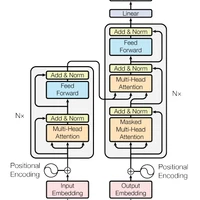

A distributed, plug-n-play algorithm for multi-robot applications with a priori non-computable objective functions
This paper presents a distributed algorithm applicable to a wide range of practical multi-robot applications. In such multi-robot applications, the user-defined objectives of the mission can be cast as a general optimization problem, without explicit guidelines of the subtasks per different robot. Owing to the unknown environment, unknown robot dynamics, sensor nonlinearities, etc., the analytic form of the optimization cost function is not available a priori. Therefore, standard gradient-descent-like algorithms are not applicable to these problems. To tackle this, we introduce a new algorithm that carefully designs each robot's subcost function, the optimization of which can accomplish the overall team objective. Upon this transformation, we propose a distributed methodology based on the cognitive-based adaptive optimization (CAO) algorithm, that is able to approximate the evolution of each robot's cost function and to adequately optimize its decision variables (robot actions). The latter can be achieved by online learning only the problem-specific characteristics that affect the accomplishment of mission objectives. The overall, low-complexity algorithm can straightforwardly incorporate any kind of operational constraint, is fault-tolerant, and can appropriately tackle time-varying cost functions. A cornerstone of this approach is that it shares the same convergence characteristics as those of block coordinate descent algorithms. The proposed algorithm is evaluated in three heterogeneous simulation set-ups under multiple scenarios, against both general-purpose and problem-specific algorithms. Source code is available at https://github.com/athakapo/A-distributed-plug-n-play-algorithm-for-multi-robot-applications.

AgentVerse: Facilitating Multi-Agent Collaboration and Exploring Emergent Behaviors
Autonomous agents empowered by Large Language Models (LLMs) have undergone significant improvements, enabling them to generalize across a broad spectrum of tasks. However, in real-world scenarios, cooperation among individuals is often required to enhance the efficiency and effectiveness of task accomplishment. Hence, inspired by human group dynamics, we propose a multi-agent framework \framework that can collaboratively and dynamically adjust its composition as a greater-than-the-sum-of-its-parts system. Our experiments demonstrate that \framework framework can effectively deploy multi-agent groups that outperform a single agent. Furthermore, we delve into the emergence of social behaviors among individual agents within a group during collaborative task accomplishment. In view of these behaviors, we discuss some possible strategies to leverage positive ones and mitigate negative ones for improving the collaborative potential of multi-agent groups. Our codes for \framework will soon be released at https://github.com/OpenBMB/AgentVerse.


Personalized Subgraph Federated Learning
Subgraphs of a larger global graph may be distributed across multiple devices, and only locally accessible due to privacy restrictions, although there may be links between subgraphs. Recently proposed subgraph Federated Learning (FL) methods deal with those missing links across local subgraphs while distributively training Graph Neural Networks (GNNs) on them. However, they have overlooked the inevitable heterogeneity between subgraphs comprising different communities of a global graph, consequently collapsing the incompatible knowledge from local GNN models. To this end, we introduce a new subgraph FL problem, personalized subgraph FL, which focuses on the joint improvement of the interrelated local GNNs rather than learning a single global model, and propose a novel framework, FEDerated Personalized sUBgraph learning (FED-PUB), to tackle it. Since the server cannot access the subgraph in each client, FED-PUB utilizes functional embeddings of the local GNNs using random graphs as inputs to compute similarities between them, and use the similarities to perform weighted averaging for server-side aggregation. Further, it learns a personalized sparse mask at each client to select and update only the subgraph-relevant subset of the aggregated parameters. We validate our FED-PUB for its subgraph FL performance on six datasets, considering both non-overlapping and overlapping subgraphs, on which it significantly outperforms relevant baselines. Our code is available at https://github.com/JinheonBaek/FED-PUB.


Parallax: Efficient LLM Inference Service over Decentralized Environment
Deploying a large language model (LLM) inference service remains costly because centralized serving depends on specialized GPU clusters and high-bandwidth interconnects in datacenters. An appealing alternative is to leverage collaborative decentralized GPU pools. However, heterogeneity in GPU and limited interconnected network bandwidth, along with potentially dynamic availability, make efficient scheduling the central challenge in this scenario. In this paper, we present Parallax, a decentralized LLM serving system that turns a pool of heterogeneous GPUs into an efficient inference platform via a two-phase scheduler. Parallax decomposes planning into (i) model allocation, which places layers of each replica across diverse GPUs to jointly optimize latency and throughput under memory and link-bandwidth constraints, and (ii) request-time GPU pipeline selection, which stitches layers from different replicas into end-to-end execution chains that balance load and adapt to current conditions. We implement Parallax and evaluate it on open-source LLMs deployed over real volunteer nodes. Parallax consistently reduces latency and increases throughput relative to decentralized baselines, demonstrating that principled scheduling can make volunteer compute a practical, affordable substrate for LLM inference. Github Repo at: https://github.com/GradientHQ/parallax.
Symphony: A Decentralized Multi-Agent Framework for Scalable Collective Intelligence
Most existing Large Language Model (LLM)-based agent frameworks rely on centralized orchestration, incurring high deployment costs, rigid communication topologies, and limited adaptability. To address these challenges, we introduce Symphony, a decentralized multi-agent system which enables lightweight LLMs on consumer-grade GPUs to coordinate. Symphony introduces three key mechanisms: (1) a decentralized ledger that records capabilities, (2) a Beacon-selection protocol for dynamic task allocation, and (3) weighted result voting based on CoTs. This design forms a privacy-saving, scalable, and fault-tolerant orchestration with low overhead. Empirically, Symphony outperforms existing baselines on reasoning benchmarks, achieving substantial accuracy gains and demonstrating robustness across models of varying capacities.
pFedLoRA: Model-Heterogeneous Personalized Federated Learning with LoRA Tuning
Federated learning (FL) is an emerging machine learning paradigm in which a central server coordinates multiple participants (clients) collaboratively to train on decentralized data. In practice, FL often faces statistical, system, and model heterogeneities, which inspires the field of Model-Heterogeneous Personalized Federated Learning (MHPFL). With the increased interest in adopting large language models (LLMs) in FL, the existing MHPFL methods cannot achieve acceptable computational and communication costs, while maintaining satisfactory model performance. To bridge this gap, we propose a novel and efficient model-heterogeneous personalized Federated learning framework based on LoRA tuning (pFedLoRA). Inspired by the popular LoRA method for fine-tuning pre-trained LLMs with a low-rank model (a.k.a., an adapter), we design a homogeneous small adapter to facilitate federated client's heterogeneous local model training with our proposed iterative training for global-local knowledge exchange. The homogeneous small local adapters are aggregated on the FL server to generate a global adapter. We theoretically prove the convergence of pFedLoRA. Extensive experiments on two benchmark datasets demonstrate that pFedLoRA outperforms six state-of-the-art baselines, beating the best method by 1.35% in test accuracy, 11.81 times computation overhead reduction and 7.41 times communication cost saving.
ParaAegis: Parallel Protection for Flexible Privacy-preserved Federated Learning
Federated learning (FL) faces a critical dilemma: existing protection mechanisms like differential privacy (DP) and homomorphic encryption (HE) enforce a rigid trade-off, forcing a choice between model utility and computational efficiency. This lack of flexibility hinders the practical implementation. To address this, we introduce ParaAegis, a parallel protection framework designed to give practitioners flexible control over the privacy-utility-efficiency balance. Our core innovation is a strategic model partitioning scheme. By applying lightweight DP to the less critical, low norm portion of the model while protecting the remainder with HE, we create a tunable system. A distributed voting mechanism ensures consensus on this partitioning. Theoretical analysis confirms the adjustments between efficiency and utility with the same privacy. Crucially, the experimental results demonstrate that by adjusting the hyperparameters, our method enables flexible prioritization between model accuracy and training time.
A Strategic Coordination Framework of Small LLMs Matches Large LLMs in Data Synthesis
While data synthesis and distillation are promising strategies to enhance small language models, current approaches heavily rely on Large Language Models (LLMs), which suffer from high computational costs, environmental inefficiency, and potential biases inherited from monolithic architectures. In contrast, smaller LLMs are more accessible and sustainable, but their individual capabilities often fall short in generating high-quality, diverse, and reliable data. Inspired by collaborative human processes (e.g., peer review), we propose a multiple small LLMs involved framework, GRA, that aggregates specialized roles across small LLMs to iterative refinement and quality control typically achieved by a single large LLM. In this collaborative framework, multiple small LLMs assume distinct roles-Generator, Reviewer, and Adjudicator-to simulate a peer-review-inspired data synthesis pipeline. The Generator proposes initial data samples, the Reviewer critiques their quality and diversity, and the Adjudicator resolves conflicts to finalize the output. By decomposing the synthesis process into specialized sub-tasks, collaborative small LLMs can achieve data-level parity with large LLM-based distillation. Through experiments across multiple benchmarks, we demonstrate that GRA-produced data matches or exceeds the quality of single large LLM outputs, e.g., Qwen-2.5-72B-Instruct. Our results challenge the necessity of monolithic large models for high-quality data synthesis, advocating instead for strategic coordination of smaller agents. Our datasets, models, and code are publicly available at https://github.com/GX-XinGao/GRA.





A Reputation Mechanism Is All You Need: Collaborative Fairness and Adversarial Robustness in Federated Learning
Federated learning (FL) is an emerging practical framework for effective and scalable machine learning among multiple participants, such as end users, organizations and companies. However, most existing FL or distributed learning frameworks have not well addressed two important issues together: collaborative fairness and adversarial robustness (e.g. free-riders and malicious participants). In conventional FL, all participants receive the global model (equal rewards), which might be unfair to the high-contributing participants. Furthermore, due to the lack of a safeguard mechanism, free-riders or malicious adversaries could game the system to access the global model for free or to sabotage it. In this paper, we propose a novel Robust and Fair Federated Learning (RFFL) framework to achieve collaborative fairness and adversarial robustness simultaneously via a reputation mechanism. RFFL maintains a reputation for each participant by examining their contributions via their uploaded gradients (using vector similarity) and thus identifies non-contributing or malicious participants to be removed. Our approach differentiates itself by not requiring any auxiliary/validation dataset. Extensive experiments on benchmark datasets show that RFFL can achieve high fairness and is very robust to different types of adversaries while achieving competitive predictive accuracy.

Lattica: A Decentralized Cross-NAT Communication Framework for Scalable AI Inference and Training
The rapid expansion of distributed Artificial Intelligence (AI) workloads beyond centralized data centers creates a demand for new communication substrates. These substrates must operate reliably in heterogeneous and permissionless environments, where Network Address Translators (NATs) and firewalls impose significant constraints. Existing solutions, however, are either designed for controlled data center deployments or implemented as monolithic systems that tightly couple machine learning logic with networking code. To address these limitations, we present Lattica, a decentralized cross-NAT communication framework designed to support distributed AI systems. Lattica integrates three core components. First, it employs a robust suite of NAT traversal mechanisms to establish a globally addressable peer-to-peer mesh. Second, it provides a decentralized data store based on Conflict-free Replicated Data Types (CRDTs), ensuring verifiable and eventually consistent state replication. Third, it incorporates a content discovery layer that leverages distributed hash tables (DHTs) together with an optimized RPC protocol for efficient model synchronization. By integrating these components, Lattica delivers a complete protocol stack for sovereign, resilient, and scalable AI systems that operate independently of centralized intermediaries. It is directly applicable to edge intelligence, collaborative reinforcement learning, and other large-scale distributed machine learning scenarios.
Anchor Sampling for Federated Learning with Partial Client Participation
Compared with full client participation, partial client participation is a more practical scenario in federated learning, but it may amplify some challenges in federated learning, such as data heterogeneity. The lack of inactive clients' updates in partial client participation makes it more likely for the model aggregation to deviate from the aggregation based on full client participation. Training with large batches on individual clients is proposed to address data heterogeneity in general, but their effectiveness under partial client participation is not clear. Motivated by these challenges, we propose to develop a novel federated learning framework, referred to as FedAMD, for partial client participation. The core idea is anchor sampling, which separates partial participants into anchor and miner groups. Each client in the anchor group aims at the local bullseye with the gradient computation using a large batch. Guided by the bullseyes, clients in the miner group steer multiple near-optimal local updates using small batches and update the global model. By integrating the results of the two groups, FedAMD is able to accelerate the training process and improve the model performance. Measured by epsilon-approximation and compared to the state-of-the-art methods, FedAMD achieves the convergence by up to O(1/epsilon) fewer communication rounds under non-convex objectives. Empirical studies on real-world datasets validate the effectiveness of FedAMD and demonstrate the superiority of the proposed algorithm: Not only does it considerably save computation and communication costs, but also the test accuracy significantly improves.

INTELLECT-2: A Reasoning Model Trained Through Globally Decentralized Reinforcement Learning
We introduce INTELLECT-2, the first globally distributed reinforcement learning (RL) training run of a 32 billion parameter language model. Unlike traditional centralized training efforts, INTELLECT-2 trains a reasoning model using fully asynchronous RL across a dynamic, heterogeneous swarm of permissionless compute contributors. To enable a training run with this unique infrastructure, we built various components from scratch: we introduce PRIME-RL, our training framework purpose-built for distributed asynchronous reinforcement learning, based on top of novel components such as TOPLOC, which verifies rollouts from untrusted inference workers, and SHARDCAST, which efficiently broadcasts policy weights from training nodes to inference workers. Beyond infrastructure components, we propose modifications to the standard GRPO training recipe and data filtering techniques that were crucial to achieve training stability and ensure that our model successfully learned its training objective, thus improving upon QwQ-32B, the state of the art reasoning model in the 32B parameter range. We open-source INTELLECT-2 along with all of our code and data, hoping to encourage and enable more open research in the field of decentralized training.



AsyncFlow: An Asynchronous Streaming RL Framework for Efficient LLM Post-Training
Reinforcement learning (RL) has become a pivotal technology in the post-training phase of large language models (LLMs). Traditional task-colocated RL frameworks suffer from significant scalability bottlenecks, while task-separated RL frameworks face challenges in complex dataflows and the corresponding resource idling and workload imbalance. Moreover, most existing frameworks are tightly coupled with LLM training or inference engines, making it difficult to support custom-designed engines. To address these challenges, we propose AsyncFlow, an asynchronous streaming RL framework for efficient post-training. Specifically, we introduce a distributed data storage and transfer module that provides a unified data management and fine-grained scheduling capability in a fully streamed manner. This architecture inherently facilitates automated pipeline overlapping among RL tasks and dynamic load balancing. Moreover, we propose a producer-consumer-based asynchronous workflow engineered to minimize computational idleness by strategically deferring parameter update process within staleness thresholds. Finally, the core capability of AsynFlow is architecturally decoupled from underlying training and inference engines and encapsulated by service-oriented user interfaces, offering a modular and customizable user experience. Extensive experiments demonstrate an average of 1.59 throughput improvement compared with state-of-the-art baseline. The presented architecture in this work provides actionable insights for next-generation RL training system designs.
Distributed Swarm Intelligence
This paper presents the development of a distributed application that facilitates the understanding and application of swarm intelligence in solving optimization problems. The platform comprises a search space of customizable random particles, allowing users to tailor the solution to their specific needs. By leveraging the power of Ray distributed computing, the application can support multiple users simultaneously, offering a flexible and scalable solution. The primary objective of this project is to provide a user-friendly platform that enhances the understanding and practical use of swarm intelligence in problem-solving.

MAS-GPT: Training LLMs to Build LLM-based Multi-Agent Systems
LLM-based multi-agent systems (MAS) have shown significant potential in tackling diverse tasks. However, to design effective MAS, existing approaches heavily rely on manual configurations or multiple calls of advanced LLMs, resulting in inadaptability and high inference costs. In this paper, we simplify the process of building an MAS by reframing it as a generative language task, where the input is a user query and the output is a corresponding MAS. To address this novel task, we unify the representation of MAS as executable code and propose a consistency-oriented data construction pipeline to create a high-quality dataset comprising coherent and consistent query-MAS pairs. Using this dataset, we train MAS-GPT, an open-source medium-sized LLM that is capable of generating query-adaptive MAS within a single LLM inference. The generated MAS can be seamlessly applied to process user queries and deliver high-quality responses. Extensive experiments on 9 benchmarks and 5 LLMs show that the proposed MAS-GPT consistently outperforms 10+ baseline MAS methods on diverse settings, indicating MAS-GPT's high effectiveness, efficiency and strong generalization ability. Code will be available at https://github.com/rui-ye/MAS-GPT.

Placement Semantics for Distributed Deep Learning: A Systematic Framework for Analyzing Parallelism Strategies
Training large language models requires distributing computation across many accelerators, yet practitioners select parallelism strategies (data, tensor, pipeline, ZeRO) through trial and error because no unified systematic framework predicts their behavior. We introduce placement semantics: each strategy is specified by how it places four training states (parameters, optimizer, gradients, activations) across devices using five modes (replicated, sharded, sharded-with-gather, materialized, offloaded). From placement alone, without implementation details, we derive memory consumption and communication volume. Our predictions match published results exactly: ZeRO-3 uses 8x less memory than data parallelism at 1.5x communication cost, as reported in the original paper. We prove two conditions (gradient integrity, state consistency) are necessary and sufficient for distributed training to match single-device results, and provide composition rules for combining strategies safely. The framework unifies ZeRO Stages 1-3, Fully Sharded Data Parallel (FSDP), tensor parallelism, and pipeline parallelism as instances with different placement choices.
Decentralized Distributed Graph Coloring: Cluster Graphs
Graph coloring is fundamental to distributed computing. We give the first sub-logarithmic distributed algorithm for coloring cluster graphs. These graphs are obtained from the underlying communication network by contracting nodes and edges, and they appear frequently as components in the study of distributed algorithms. In particular, we give a O(log^* n)-round algorithm to (Δ+1)-color cluster graphs of at least polylogarithmic degree. The previous best bound known was poly(log n) [Flin et al., SODA'24]. This properly generalizes results in the CONGEST model and shows that distributed graph problems can be solved quickly even when the node itself is decentralized.
GPT-OSS-20B: A Comprehensive Deployment-Centric Analysis of OpenAI's Open-Weight Mixture of Experts Model
We present a single-GPU (H100, bf16) evaluation of GPT-OSS-20B (Mixture-of-Experts; 20.9B total, approx. 3.61B active) against dense baselines Qwen3-32B and Yi-34B across multiple dimensions. We measure true time-to-first-token (TTFT), full-decode throughput (TPOT), end-to-end latency percentiles, peak VRAM with past key values (PKV) held, and energy via a consistent nvidia-smi-based sampler. At a 2048-token context with 64-token decode, GPT-OSS-20B delivers higher decode throughput and tokens per Joule than dense baselines Qwen3-32B and Yi-34B, while substantially reducing peak VRAM and energy per 1000 generated tokens; its TTFT is higher due to MoE routing overhead. With only 17.3% of parameters active (3.61B of 20.9B), GPT-OSS-20B provides about 31.8% higher decode throughput and 25.8% lower energy per 1000 generated tokens than Qwen3-32B at 2048/64, while using 31.7% less peak VRAM. Normalized by active parameters, GPT-OSS-20B shows markedly stronger per-active-parameter efficiency (APE), underscoring MoE's deployment advantages. We do not evaluate accuracy; this is a deployment-focused study. We release code and consolidated results to enable replication and extension.
Challenging the Need for Packet Spraying in Large-Scale Distributed Training
Large-scale distributed training in production datacenters constitutes a challenging workload bottlenecked by network communication. In response, both major industry players (e.g., Ultra Ethernet Consortium) and parts of academia have surprisingly, and almost unanimously, agreed that packet spraying is necessary to improve the performance of large-scale distributed training workloads. In this paper, we challenge this prevailing belief and pose the question: How close can a singlepath transport approach an optimal multipath transport? We demonstrate that singlepath transport (from a NIC's perspective) is sufficient and can perform nearly as well as an ideal multipath transport with packet spraying, particularly in the context of distributed training in leaf-spine topologies. Our assertion is based on four key observations about workloads driven by collective communication patterns: (i) flows within a collective start almost simultaneously, (ii) flow sizes are nearly equal, (iii) the completion time of a collective is more crucial than individual flow completion times, and (iv) flows can be split upon arrival. We analytically prove that singlepath transport, using minimal flow splitting (at the application layer), is equivalent to an ideal multipath transport with packet spraying in terms of maximum congestion. Our preliminary evaluations support our claims. This paper suggests an alternative agenda for developing next-generation transport protocols tailored for large-scale distributed training.
Breaking Data Silos: Towards Open and Scalable Mobility Foundation Models via Generative Continual Learning
Foundation models have revolutionized fields such as natural language processing and computer vision by enabling general-purpose learning across diverse tasks and datasets. However, building analogous models for human mobility remains challenging due to the privacy-sensitive nature of mobility data and the resulting data silos across institutions. To bridge this gap, we propose MoveGCL, a scalable and privacy-preserving framework for training mobility foundation models via generative continual learning. Without sharing raw data, MoveGCL enables decentralized and progressive model evolution by replaying synthetic trajectories generated from a frozen teacher model, and reinforces knowledge retention through a tailored distillation strategy that mitigates catastrophic forgetting. To address the heterogeneity of mobility patterns, MoveGCL incorporates a Mixture-of-Experts Transformer with a mobility-aware expert routing mechanism, and employs a layer-wise progressive adaptation strategy to stabilize continual updates. Experiments on six real-world urban datasets demonstrate that MoveGCL achieves performance comparable to joint training and significantly outperforms federated learning baselines, while offering strong privacy protection. MoveGCL marks a crucial step toward unlocking foundation models for mobility, offering a practical blueprint for open, scalable, and privacy-preserving model development in the era of foundation models.

Bitwidth Heterogeneous Federated Learning with Progressive Weight Dequantization
In practical federated learning scenarios, the participating devices may have different bitwidths for computation and memory storage by design. However, despite the progress made in device-heterogeneous federated learning scenarios, the heterogeneity in the bitwidth specifications in the hardware has been mostly overlooked. We introduce a pragmatic FL scenario with bitwidth heterogeneity across the participating devices, dubbed as Bitwidth Heterogeneous Federated Learning (BHFL). BHFL brings in a new challenge, that the aggregation of model parameters with different bitwidths could result in severe performance degeneration, especially for high-bitwidth models. To tackle this problem, we propose ProWD framework, which has a trainable weight dequantizer at the central server that progressively reconstructs the low-bitwidth weights into higher bitwidth weights, and finally into full-precision weights. ProWD further selectively aggregates the model parameters to maximize the compatibility across bit-heterogeneous weights. We validate ProWD against relevant FL baselines on the benchmark datasets, using clients with varying bitwidths. Our ProWD largely outperforms the baseline FL algorithms as well as naive approaches (e.g. grouped averaging) under the proposed BHFL scenario.

Flower: A Friendly Federated Learning Research Framework
Federated Learning (FL) has emerged as a promising technique for edge devices to collaboratively learn a shared prediction model, while keeping their training data on the device, thereby decoupling the ability to do machine learning from the need to store the data in the cloud. However, FL is difficult to implement realistically, both in terms of scale and systems heterogeneity. Although there are a number of research frameworks available to simulate FL algorithms, they do not support the study of scalable FL workloads on heterogeneous edge devices. In this paper, we present Flower -- a comprehensive FL framework that distinguishes itself from existing platforms by offering new facilities to execute large-scale FL experiments and consider richly heterogeneous FL device scenarios. Our experiments show Flower can perform FL experiments up to 15M in client size using only a pair of high-end GPUs. Researchers can then seamlessly migrate experiments to real devices to examine other parts of the design space. We believe Flower provides the community with a critical new tool for FL study and development.
Explore to Evolve: Scaling Evolved Aggregation Logic via Proactive Online Exploration for Deep Research Agents
Deep research web agents not only retrieve information from diverse sources such as web environments, files, and multimodal inputs, but more importantly, they need to rigorously analyze and aggregate knowledge for insightful research. However, existing open-source deep research agents predominantly focus on enhancing information-seeking capabilities of web agents to locate specific information, while overlooking the essential need for information aggregation, which would limit their ability to support in-depth research. We propose an Explore to Evolve paradigm to scalably construct verifiable training data for web agents. Begins with proactive online exploration, an agent sources grounded information by exploring the real web. Using the collected evidence, the agent then self-evolves an aggregation program by selecting, composing, and refining operations from 12 high-level logical types to synthesize a verifiable QA pair. This evolution from high-level guidance to concrete operations allowed us to scalably produce WebAggregatorQA, a dataset of 10K samples across 50K websites and 11 domains. Based on an open-source agent framework, SmolAgents, we collect supervised fine-tuning trajectories to develop a series of foundation models, WebAggregator. WebAggregator-8B matches the performance of GPT-4.1, while the 32B variant surpasses GPT-4.1 by more than 10% on GAIA-text and closely approaches Claude-3.7-sonnet. Moreover, given the limited availability of benchmarks that evaluate web agents' information aggregation abilities, we construct a human-annotated evaluation split of WebAggregatorQA as a challenging test set. On this benchmark, Claude-3.7-sonnet only achieves 28%, and GPT-4.1 scores 25.8%. Even when agents manage to retrieve all references, they still struggle on WebAggregatorQA, highlighting the need to strengthen the information aggregation capabilities of web agent foundations.

JAMPI: efficient matrix multiplication in Spark using Barrier Execution Mode
The new barrier mode in Apache Spark allows embedding distributed deep learning training as a Spark stage to simplify the distributed training workflow. In Spark, a task in a stage does not depend on any other tasks in the same stage, and hence it can be scheduled independently. However, several algorithms require more sophisticated inter-task communications, similar to the MPI paradigm. By combining distributed message passing (using asynchronous network IO), OpenJDK's new auto-vectorization and Spark's barrier execution mode, we can add non-map/reduce based algorithms, such as Cannon's distributed matrix multiplication to Spark. We document an efficient distributed matrix multiplication using Cannon's algorithm, which improves significantly on the performance of the existing MLlib implementation. Used within a barrier task, the algorithm described herein results in an up to 24 percent performance increase on a 10,000x10,000 square matrix with a significantly lower memory footprint. Applications of efficient matrix multiplication include, among others, accelerating the training and implementation of deep convolutional neural network based workloads, and thus such efficient algorithms can play a ground-breaking role in faster, more efficient execution of even the most complicated machine learning tasks.

AutoGLM: Autonomous Foundation Agents for GUIs
We present AutoGLM, a new series in the ChatGLM family, designed to serve as foundation agents for autonomous control of digital devices through Graphical User Interfaces (GUIs). While foundation models excel at acquiring human knowledge, they often struggle with decision-making in dynamic real-world environments, limiting their progress toward artificial general intelligence. This limitation underscores the importance of developing foundation agents capable of learning through autonomous environmental interactions by reinforcing existing models. Focusing on Web Browser and Phone as representative GUI scenarios, we have developed AutoGLM as a practical foundation agent system for real-world GUI interactions. Our approach integrates a comprehensive suite of techniques and infrastructures to create deployable agent systems suitable for user delivery. Through this development, we have derived two key insights: First, the design of an appropriate "intermediate interface" for GUI control is crucial, enabling the separation of planning and grounding behaviors, which require distinct optimization for flexibility and accuracy respectively. Second, we have developed a novel progressive training framework that enables self-evolving online curriculum reinforcement learning for AutoGLM. Our evaluations demonstrate AutoGLM's effectiveness across multiple domains. For web browsing, AutoGLM achieves a 55.2% success rate on VAB-WebArena-Lite (improving to 59.1% with a second attempt) and 96.2% on OpenTable evaluation tasks. In Android device control, AutoGLM attains a 36.2% success rate on AndroidLab (VAB-Mobile) and 89.7% on common tasks in popular Chinese APPs.



FedASMU: Efficient Asynchronous Federated Learning with Dynamic Staleness-aware Model Update
As a promising approach to deal with distributed data, Federated Learning (FL) achieves major advancements in recent years. FL enables collaborative model training by exploiting the raw data dispersed in multiple edge devices. However, the data is generally non-independent and identically distributed, i.e., statistical heterogeneity, and the edge devices significantly differ in terms of both computation and communication capacity, i.e., system heterogeneity. The statistical heterogeneity leads to severe accuracy degradation while the system heterogeneity significantly prolongs the training process. In order to address the heterogeneity issue, we propose an Asynchronous Staleness-aware Model Update FL framework, i.e., FedASMU, with two novel methods. First, we propose an asynchronous FL system model with a dynamical model aggregation method between updated local models and the global model on the server for superior accuracy and high efficiency. Then, we propose an adaptive local model adjustment method by aggregating the fresh global model with local models on devices to further improve the accuracy. Extensive experimentation with 6 models and 5 public datasets demonstrates that FedASMU significantly outperforms baseline approaches in terms of accuracy (0.60% to 23.90% higher) and efficiency (3.54% to 97.98% faster).
Agent Context Protocols Enhance Collective Inference
AI agents have become increasingly adept at complex tasks such as coding, reasoning, and multimodal understanding. However, building generalist systems requires moving beyond individual agents to collective inference -- a paradigm where multi-agent systems with diverse, task-specialized agents complement one another through structured communication and collaboration. Today, coordination is usually handled with imprecise, ad-hoc natural language, which limits complex interaction and hinders interoperability with domain-specific agents. We introduce Agent context protocols (ACPs): a domain- and agent-agnostic family of structured protocols for agent-agent communication, coordination, and error handling. ACPs combine (i) persistent execution blueprints -- explicit dependency graphs that store intermediate agent outputs -- with (ii) standardized message schemas, enabling robust and fault-tolerant multi-agent collective inference. ACP-powered generalist systems reach state-of-the-art performance: 28.3 % accuracy on AssistantBench for long-horizon web assistance and best-in-class multimodal technical reports, outperforming commercial AI systems in human evaluation. ACPs are highly modular and extensible, allowing practitioners to build top-tier generalist agents quickly.
Incentivizing Permissionless Distributed Learning of LLMs
We describe an incentive system for distributed deep learning of foundational models where peers are rewarded for contributions. The incentive system, Gauntlet, has been deployed on the bittensor blockchain and used to train a 1.2B LLM with completely permissionless contributions of pseudo-gradients: no control over the users that can register or their hardware. Gauntlet can be applied to any synchronous distributed training scheme that relies on aggregating updates or pseudo-gradients. We rely on a two-stage mechanism for fast filtering of peer uptime, reliability, and synchronization, combined with the core component that estimates the loss before and after individual pseudo-gradient contributions. We utilized an OpenSkill rating system to track competitiveness of pseudo-gradient scores across time. Finally, we introduce a novel mechanism to ensure peers on the network perform unique computations. Our live 1.2B run, which has paid out real-valued tokens to participants based on the value of their contributions, yielded a competitive (on a per-iteration basis) 1.2B model that demonstrates the utility of our incentive system.

DB-GPT: Empowering Database Interactions with Private Large Language Models
The recent breakthroughs in large language models (LLMs) are positioned to transition many areas of software. Database technologies particularly have an important entanglement with LLMs as efficient and intuitive database interactions are paramount. In this paper, we present DB-GPT, a revolutionary and production-ready project that integrates LLMs with traditional database systems to enhance user experience and accessibility. DB-GPT is designed to understand natural language queries, provide context-aware responses, and generate complex SQL queries with high accuracy, making it an indispensable tool for users ranging from novice to expert. The core innovation in DB-GPT lies in its private LLM technology, which is fine-tuned on domain-specific corpora to maintain user privacy and ensure data security while offering the benefits of state-of-the-art LLMs. We detail the architecture of DB-GPT, which includes a novel retrieval augmented generation (RAG) knowledge system, an adaptive learning mechanism to continuously improve performance based on user feedback and a service-oriented multi-model framework (SMMF) with powerful data-driven agents. Our extensive experiments and user studies confirm that DB-GPT represents a paradigm shift in database interactions, offering a more natural, efficient, and secure way to engage with data repositories. The paper concludes with a discussion of the implications of DB-GPT framework on the future of human-database interaction and outlines potential avenues for further enhancements and applications in the field. The project code is available at https://github.com/eosphoros-ai/DB-GPT. Experience DB-GPT for yourself by installing it with the instructions https://github.com/eosphoros-ai/DB-GPT#install and view a concise 10-minute video at https://www.youtube.com/watch?v=KYs4nTDzEhk.
Sequential Gradient Coding For Straggler Mitigation
In distributed computing, slower nodes (stragglers) usually become a bottleneck. Gradient Coding (GC), introduced by Tandon et al., is an efficient technique that uses principles of error-correcting codes to distribute gradient computation in the presence of stragglers. In this paper, we consider the distributed computation of a sequence of gradients {g(1),g(2),ldots,g(J)}, where processing of each gradient g(t) starts in round-t and finishes by round-(t+T). Here Tgeq 0 denotes a delay parameter. For the GC scheme, coding is only across computing nodes and this results in a solution where T=0. On the other hand, having T>0 allows for designing schemes which exploit the temporal dimension as well. In this work, we propose two schemes that demonstrate improved performance compared to GC. Our first scheme combines GC with selective repetition of previously unfinished tasks and achieves improved straggler mitigation. In our second scheme, which constitutes our main contribution, we apply GC to a subset of the tasks and repetition for the remainder of the tasks. We then multiplex these two classes of tasks across workers and rounds in an adaptive manner, based on past straggler patterns. Using theoretical analysis, we demonstrate that our second scheme achieves significant reduction in the computational load. In our experiments, we study a practical setting of concurrently training multiple neural networks over an AWS Lambda cluster involving 256 worker nodes, where our framework naturally applies. We demonstrate that the latter scheme can yield a 16\% improvement in runtime over the baseline GC scheme, in the presence of naturally occurring, non-simulated stragglers.

Bridging Academia and Industry: A Comprehensive Benchmark for Attributed Graph Clustering
Attributed Graph Clustering (AGC) is a fundamental unsupervised task that integrates structural topology and node attributes to uncover latent patterns in graph-structured data. Despite its significance in industrial applications such as fraud detection and user segmentation, a significant chasm persists between academic research and real-world deployment. Current evaluation protocols suffer from the small-scale, high-homophily citation datasets, non-scalable full-batch training paradigms, and a reliance on supervised metrics that fail to reflect performance in label-scarce environments. To bridge these gaps, we present PyAGC, a comprehensive, production-ready benchmark and library designed to stress-test AGC methods across diverse scales and structural properties. We unify existing methodologies into a modular Encode-Cluster-Optimize framework and, for the first time, provide memory-efficient, mini-batch implementations for a wide array of state-of-the-art AGC algorithms. Our benchmark curates 12 diverse datasets, ranging from 2.7K to 111M nodes, specifically incorporating industrial graphs with complex tabular features and low homophily. Furthermore, we advocate for a holistic evaluation protocol that mandates unsupervised structural metrics and efficiency profiling alongside traditional supervised metrics. Battle-tested in high-stakes industrial workflows at Ant Group, this benchmark offers the community a robust, reproducible, and scalable platform to advance AGC research towards realistic deployment. The code and resources are publicly available via GitHub (https://github.com/Cloudy1225/PyAGC), PyPI (https://pypi.org/project/pyagc), and Documentation (https://pyagc.readthedocs.io).

KG4Diagnosis: A Hierarchical Multi-Agent LLM Framework with Knowledge Graph Enhancement for Medical Diagnosis
Integrating Large Language Models (LLMs) in healthcare diagnosis demands systematic frameworks that can handle complex medical scenarios while maintaining specialized expertise. We present KG4Diagnosis, a novel hierarchical multi-agent framework that combines LLMs with automated knowledge graph construction, encompassing 362 common diseases across medical specialties. Our framework mirrors real-world medical systems through a two-tier architecture: a general practitioner (GP) agent for initial assessment and triage, coordinating with specialized agents for in-depth diagnosis in specific domains. The core innovation lies in our end-to-end knowledge graph generation methodology, incorporating: (1) semantic-driven entity and relation extraction optimized for medical terminology, (2) multi-dimensional decision relationship reconstruction from unstructured medical texts, and (3) human-guided reasoning for knowledge expansion. KG4Diagnosis serves as an extensible foundation for specialized medical diagnosis systems, with capabilities to incorporate new diseases and medical knowledge. The framework's modular design enables seamless integration of domain-specific enhancements, making it valuable for developing targeted medical diagnosis systems. We provide architectural guidelines and protocols to facilitate adoption across medical contexts.
Large-Scale Network Embedding in Apache Spark
Network embedding has been widely used in social recommendation and network analysis, such as recommendation systems and anomaly detection with graphs. However, most of previous approaches cannot handle large graphs efficiently, due to that (i) computation on graphs is often costly and (ii) the size of graph or the intermediate results of vectors could be prohibitively large, rendering it difficult to be processed on a single machine. In this paper, we propose an efficient and effective distributed algorithm for network embedding on large graphs using Apache Spark, which recursively partitions a graph into several small-sized subgraphs to capture the internal and external structural information of nodes, and then computes the network embedding for each subgraph in parallel. Finally, by aggregating the outputs on all subgraphs, we obtain the embeddings of nodes in a linear cost. After that, we demonstrate in various experiments that our proposed approach is able to handle graphs with billions of edges within a few hours and is at least 4 times faster than the state-of-the-art approaches. Besides, it achieves up to 4.25% and 4.27% improvements on link prediction and node classification tasks respectively. In the end, we deploy the proposed algorithms in two online games of Tencent with the applications of friend recommendation and item recommendation, which improve the competitors by up to 91.11% in running time and up to 12.80% in the corresponding evaluation metrics.
AFlow: Automating Agentic Workflow Generation
Large language models (LLMs) have demonstrated remarkable potential in solving complex tasks across diverse domains, typically by employing agentic workflows that follow detailed instructions and operational sequences. However, constructing these workflows requires significant human effort, limiting scalability and generalizability. Recent research has sought to automate the generation and optimization of these workflows, but existing methods still rely on initial manual setup and fall short of achieving fully automated and effective workflow generation. To address this challenge, we reformulate workflow optimization as a search problem over code-represented workflows, where LLM-invoking nodes are connected by edges. We introduce AFlow, an automated framework that efficiently explores this space using Monte Carlo Tree Search, iteratively refining workflows through code modification, tree-structured experience, and execution feedback. Empirical evaluations across six benchmark datasets demonstrate AFlow's efficacy, yielding a 5.7% average improvement over state-of-the-art baselines. Furthermore, AFlow enables smaller models to outperform GPT-4o on specific tasks at 4.55% of its inference cost in dollars. The code will be available at https://github.com/geekan/MetaGPT.




Towards Instance-adaptive Inference for Federated Learning
Federated learning (FL) is a distributed learning paradigm that enables multiple clients to learn a powerful global model by aggregating local training. However, the performance of the global model is often hampered by non-i.i.d. distribution among the clients, requiring extensive efforts to mitigate inter-client data heterogeneity. Going beyond inter-client data heterogeneity, we note that intra-client heterogeneity can also be observed on complex real-world data and seriously deteriorate FL performance. In this paper, we present a novel FL algorithm, i.e., FedIns, to handle intra-client data heterogeneity by enabling instance-adaptive inference in the FL framework. Instead of huge instance-adaptive models, we resort to a parameter-efficient fine-tuning method, i.e., scale and shift deep features (SSF), upon a pre-trained model. Specifically, we first train an SSF pool for each client, and aggregate these SSF pools on the server side, thus still maintaining a low communication cost. To enable instance-adaptive inference, for a given instance, we dynamically find the best-matched SSF subsets from the pool and aggregate them to generate an adaptive SSF specified for the instance, thereby reducing the intra-client as well as the inter-client heterogeneity. Extensive experiments show that our FedIns outperforms state-of-the-art FL algorithms, e.g., a 6.64\% improvement against the top-performing method with less than 15\% communication cost on Tiny-ImageNet. Our code and models will be publicly released.
Paris: A Decentralized Trained Open-Weight Diffusion Model
We present Paris, the first publicly released diffusion model pre-trained entirely through decentralized computation. Paris demonstrates that high-quality text-to-image generation can be achieved without centrally coordinated infrastructure. Paris is open for research and commercial use. Paris required implementing our Distributed Diffusion Training framework from scratch. The model consists of 8 expert diffusion models (129M-605M parameters each) trained in complete isolation with no gradient, parameter, or intermediate activation synchronization. Rather than requiring synchronized gradient updates across thousands of GPUs, we partition data into semantically coherent clusters where each expert independently optimizes its subset while collectively approximating the full distribution. A lightweight transformer router dynamically selects appropriate experts at inference, achieving generation quality comparable to centrally coordinated baselines. Eliminating synchronization enables training on heterogeneous hardware without specialized interconnects. Empirical validation confirms that Paris's decentralized training maintains generation quality while removing the dedicated GPU cluster requirement for large-scale diffusion models. Paris achieves this using 14times less training data and 16times less compute than the prior decentralized baseline.
Data-Free Knowledge Distillation for Heterogeneous Federated Learning
Federated Learning (FL) is a decentralized machine-learning paradigm, in which a global server iteratively averages the model parameters of local users without accessing their data. User heterogeneity has imposed significant challenges to FL, which can incur drifted global models that are slow to converge. Knowledge Distillation has recently emerged to tackle this issue, by refining the server model using aggregated knowledge from heterogeneous users, other than directly averaging their model parameters. This approach, however, depends on a proxy dataset, making it impractical unless such a prerequisite is satisfied. Moreover, the ensemble knowledge is not fully utilized to guide local model learning, which may in turn affect the quality of the aggregated model. Inspired by the prior art, we propose a data-free knowledge distillation} approach to address heterogeneous FL, where the server learns a lightweight generator to ensemble user information in a data-free manner, which is then broadcasted to users, regulating local training using the learned knowledge as an inductive bias. Empirical studies powered by theoretical implications show that, our approach facilitates FL with better generalization performance using fewer communication rounds, compared with the state-of-the-art.

FedSelect: Customized Selection of Parameters for Fine-Tuning during Personalized Federated Learning
Recent advancements in federated learning (FL) seek to increase client-level performance by fine-tuning client parameters on local data or personalizing architectures for the local task. Existing methods for such personalization either prune a global model or fine-tune a global model on a local client distribution. However, these existing methods either personalize at the expense of retaining important global knowledge, or predetermine network layers for fine-tuning, resulting in suboptimal storage of global knowledge within client models. Enlightened by the lottery ticket hypothesis, we first introduce a hypothesis for finding optimal client subnetworks to locally fine-tune while leaving the rest of the parameters frozen. We then propose a novel FL framework, FedSelect, using this procedure that directly personalizes both client subnetwork structure and parameters, via the simultaneous discovery of optimal parameters for personalization and the rest of parameters for global aggregation during training. We show that this method achieves promising results on CIFAR-10.

TransactionGPT
We present TransactionGPT (TGPT), a foundation model for consumer transaction data within one of world's largest payment networks. TGPT is designed to understand and generate transaction trajectories while simultaneously supporting a variety of downstream prediction and classification tasks. We introduce a novel 3D-Transformer architecture specifically tailored for capturing the complex dynamics in payment transaction data. This architecture incorporates design innovations that enhance modality fusion and computational efficiency, while seamlessly enabling joint optimization with downstream objectives. Trained on billion-scale real-world transactions, TGPT significantly improves downstream classification performance against a competitive production model and exhibits advantages over baselines in generating future transactions. We conduct extensive empirical evaluations utilizing a diverse collection of company transaction datasets spanning multiple downstream tasks, thereby enabling a thorough assessment of TGPT's effectiveness and efficiency in comparison to established methodologies. Furthermore, we examine the incorporation of LLM-derived embeddings within TGPT and benchmark its performance against fine-tuned LLMs, demonstrating that TGPT achieves superior predictive accuracy as well as faster training and inference. We anticipate that the architectural innovations and practical guidelines from this work will advance foundation models for transaction-like data and catalyze future research in this emerging field.
Eager Updates For Overlapped Communication and Computation in DiLoCo
Distributed optimization methods such as DiLoCo have been shown to be effective in training very large models across multiple distributed workers, such as datacenters. These methods split updates into two parts: an inner optimization phase, where the workers independently execute multiple optimization steps on their own local data, and an outer optimization step, where the inner updates are synchronized. While such approaches require orders of magnitude less communication than standard data-parallel training, in settings where the workers are datacenters, even the limited communication requirements of these approaches can still cause significant slow downs due to the blocking necessary at each outer optimization step. In this paper, we investigate techniques to mitigate this issue by overlapping communication with computation in a manner that allows the outer optimization step to fully overlap with the inner optimization phase. We show that a particular variant, dubbed eager updates, provides competitive performance with standard DiLoCo in settings with low bandwidth between workers.


DADAO: Decoupled Accelerated Decentralized Asynchronous Optimization
This work introduces DADAO: the first decentralized, accelerated, asynchronous, primal, first-order algorithm to minimize a sum of L-smooth and mu-strongly convex functions distributed over a given network of size n. Our key insight is based on modeling the local gradient updates and gossip communication procedures with separate independent Poisson Point Processes. This allows us to decouple the computation and communication steps, which can be run in parallel, while making the whole approach completely asynchronous, leading to communication acceleration compared to synchronous approaches. Our new method employs primal gradients and does not use a multi-consensus inner loop nor other ad-hoc mechanisms such as Error Feedback, Gradient Tracking, or a Proximal operator. By relating the inverse of the smallest positive eigenvalue of the Laplacian matrix chi_1 and the maximal resistance chi_2leq chi_1 of the graph to a sufficient minimal communication rate between the nodes of the network, we show that our algorithm requires O(nfrac{L{mu}}log(1{epsilon})) local gradients and only O(nchi_1chi_2frac{L{mu}}log(1{epsilon})) communications to reach a precision epsilon, up to logarithmic terms. Thus, we simultaneously obtain an accelerated rate for both computations and communications, leading to an improvement over state-of-the-art works, our simulations further validating the strength of our relatively unconstrained method. We also propose a SDP relaxation to find the optimal gossip rate of each edge minimizing the total number of communications for a given graph, resulting in faster convergence compared to standard approaches relying on uniform communication weights. Our source code is released on a public repository.
CRAB: Cross-environment Agent Benchmark for Multimodal Language Model Agents
The development of autonomous agents increasingly relies on Multimodal Language Models (MLMs) to perform tasks described in natural language with GUI environments, such as websites, desktop computers, or mobile phones. Existing benchmarks for MLM agents in interactive environments are limited by their focus on a single environment, lack of detailed and generalized evaluation methods, and the complexities of constructing tasks and evaluators. To overcome these limitations, we introduce Crab, the first agent benchmark framework designed to support cross-environment tasks, incorporating a graph-based fine-grained evaluation method and an efficient mechanism for task and evaluator construction. Our framework supports multiple devices and can be easily extended to any environment with a Python interface. Leveraging Crab, we developed a cross-platform Crab Benchmark-v0 comprising 100 tasks in computer desktop and mobile phone environments. We evaluated four advanced MLMs using different single and multi-agent system configurations on this benchmark. The experimental results demonstrate that the single agent with GPT-4o achieves the best completion ratio of 35.26%. All framework code, agent code, and task datasets are publicly available at https://github.com/camel-ai/crab.


